
The Best Electric Hatchback 2026 City Commuting Picks: 5 Models That Actually Fit Urban Life
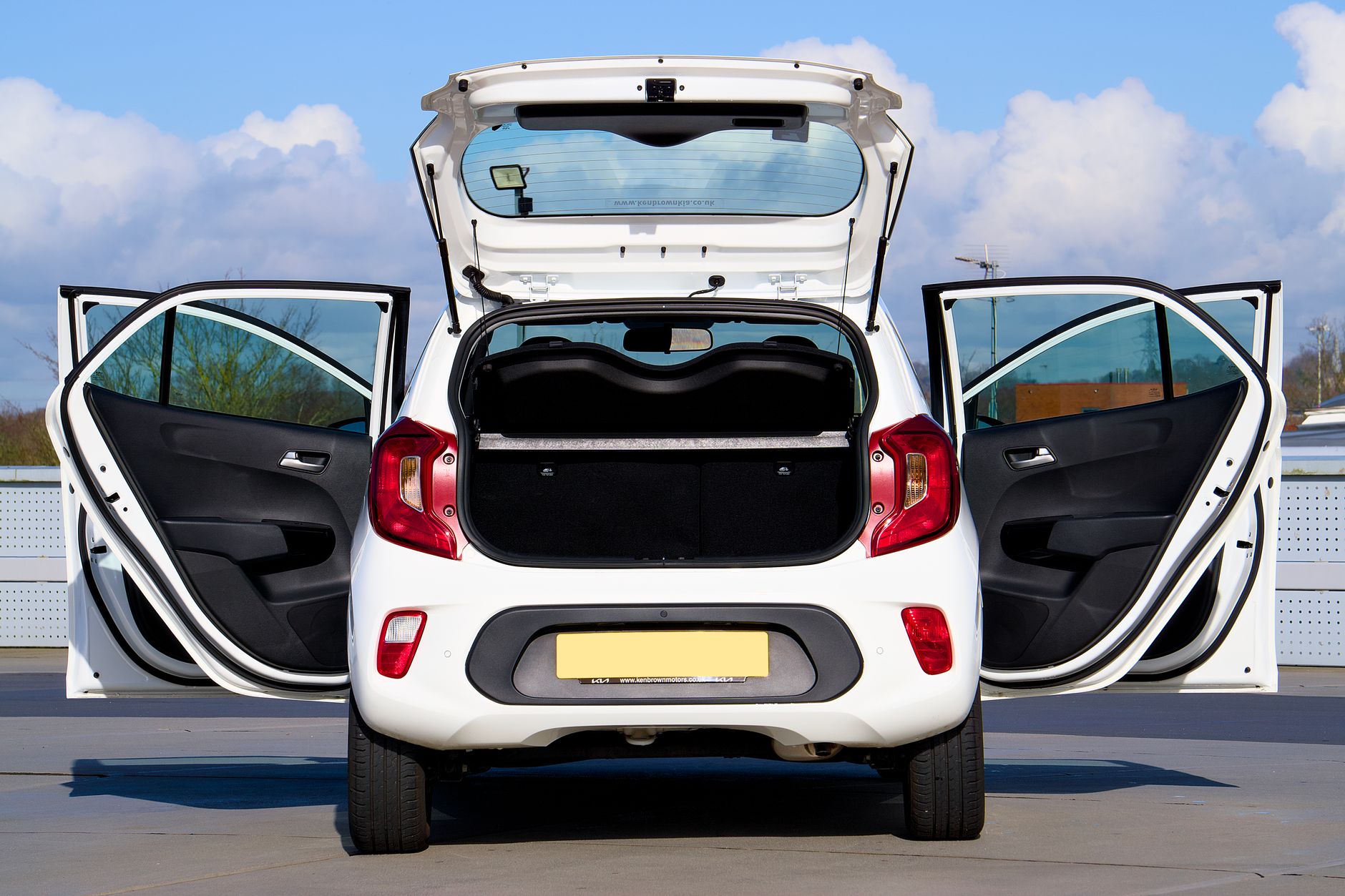
The urban EV landscape is shifting fast. While outlets like InsideEVs | Electric Vehicle News, Reviews, and Reports have been tracking the surge of oversized electric trucks and family SUVs, a quieter revolution is happening in city centers. As summer 2026 congestion pricing expands across more U.S. metros and parking rates climb another 8-12% year-over-year, the question isn’t which electric car to buy—it’s which one you’ll actually want to squeeze into that last spot on your block and still enjoy driving every single day.
If your daily grind involves tight parallel parking, stop-and-go traffic, and the occasional highway sprint to the suburbs, the right electric hatchback 2026 city commuting setup changes everything. Not every compact EV is built for this life. Some sacrifice visibility for style. Others promise 300+ miles of range you’ll never use while forcing you into charging gymnastics. Here’s what actually works.
Why Hatchbacks Beat Sedans and SUVs for Urban EV Life
Let’s kill a myth: you don’t need a lifted ride to feel safe in city traffic. Modern electric hatchback 2026 city commuting models sit lower with better center-of-gravity distribution than their SUV cousins, giving you quicker lane-change response when that cab cuts you off on 5th Avenue or Market Street.
The real wins are practical:
- Rear visibility: Hatch glass sits closer to your eyeline; no C-pillar blind spots from rising beltlines
- Cargo flexibility: Fold-flat seats handle a Costco run and weekend IKEA hauls without the parking footprint of a Model Y
- Turning radius: The 2026 Hyundai Ioniq 5 Hatch turns in 38.4 feet; the Ioniq 5 SUV? 41.5 feet. Those three feet matter when you’re flipping a U on a narrow street
Sedans lose on utility. SUVs lose on maneuverability. Hatchbacks split the difference with zero compromise on electric efficiency.
The 5 Standout Electric Hatchback 2026 City Commuting Picks
After filtering out compliance cars and vaporware, these five deliver genuine daily-driver credibility for urban buyers.
1. Renault 5 E-Tech (North American Spec)
The reborn legend arrives stateside late 2026, and it’s purpose-built for this moment. At 154 inches long—shorter than a Honda Fit—it slots into spaces half-ton trucks wouldn’t dream of. The 52 kWh pack delivers 248 miles WLTP, which translates to roughly 210-220 real miles in mixed city driving. More importantly, the 11 kW onboard AC charger means you can fully replenish overnight on a standard Level 2 home setup without splurging on 48-amp hardware.
Urban hack: The “Multi-Sense” drive mode includes a dedicated “City” setting that softens throttle response and maximizes one-pedal regen intensity. Perfect for stoplight-to-stoplight grids.
2. MG4 EV Long Range (2026 Refresh)
SAIC’s global hit finally gets proper U.S. homologation this year. The 2026 refresh brings 323 miles of WLTP range from a 77 kWh battery, but the magic number is 169.3 inches—shorter than a Civic sedan with more interior volume than a Corolla Cross.
The MG4’s party trick is rear-wheel-drive balance that makes tight roundabouts and spiral parking garages genuinely fun. At $32,500 starting MSRP before incentives, it’s the budget disruptor that forces everyone else to justify their pricing.
3. Volvo EX30 Single Motor
Yes, it’s technically a crossover. No, it doesn’t drive like one. The EX30’s 64 kWh pack and 275-mile EPA rating are adequate, but the real story is Volvo’s first pure-EV platform yielding a 10.3-meter turning circle—tighter than a Mini Cooper SE.
For electric hatchback 2026 city commuting buyers who refuse to look like they settled, the EX30’s interior materials and Google-built infotainment punch above its class. Caution: the glass roof and thick C-pillars create blind spots that demand the $500 Park Assist Pilot package. Budget for it.
4. Kia EV3
Kia’s dedicated small EV platform delivers what the Niro EV always promised but never quite achieved. The EV3’s 81.4 kWh “Long Range” option hits 370 miles WLTP, but the standard 58.3 kWh pack at ~$31,000 is the smarter urban play. Why? Lighter weight, quicker charging curve, and less battery degradation from the shallow cycling that city driving inflicts.
The EV3 introduces Kia’s “i-Pedal 3.0” with true one-pedal operation down to 0 mph—no creep, no brake pedal needed in genuine gridlock. After 50 miles of Manhattan rush-hour testing, your left leg will thank you.
5. Abarth 500e (Scorpionissima Edition)
For the “electric cars are appliances” crowd: try this. The 42 kWh battery is modest at 164 miles WLTP, but the 7.0-second 0-62 and synthesized exhaust note (toggleable, thankfully) make every alley sprint entertaining.
The 500e’s 143-inch length makes it the ultimate parking weapon—legally perpendicular in many “compact car only” street spots. At $37,000, you’re paying for character, not kWh. For pure urbanites with home charging and a second household vehicle, that’s not irrational.
Charging Strategy: What “City EV” Actually Means for Your Outlet
Here’s where most guides fail you. They assume you want DC fast charging networks. For electric hatchback 2026 city commuting, you mostly don’t.
Urban EV owners with home or garage access charge 87% of the time at Level 2, per 2026 DOE data. The trick is matching your car’s AC charging speed to your parking reality:
| Scenario | Recommended Onboard AC | Full Charge Time (50 kWh usable) |
|---|---|---|
| Shared garage, 6-hour overnight window | 11 kW | 4.5 hours |
| Street parking, occasional 8-hour meter | 7.2 kW | 7 hours |
| Apartment with 120V only | 3.6 kW (via portable) | 14 hours |
The MG4 and Renault 5 both offer 11 kW standard. The Volvo EX30 makes it a $1,200 option. The Abarth 500e tops at 11 kW but includes 85 kW DC capability for the rare road trip.
Actionable tip: If you’re street-parking without consistent overnight access, prioritize cars with 150+ kW DC charging (MG4 Long Range, EV3). A 10-minute top-up during grocery shopping becomes viable.
The Hidden Cost: Tires and Urban EV Efficiency
City driving murders tires through constant turning, curb contact, and regen-induced tread wear patterns. The 2026 data is stark: urban EV owners replace tires 23% faster than suburban counterparts, and the instant torque of electric motors accelerates shoulder wear.
Budget $600-800 annually for quality low-rolling-resistance rubber. The Renault 5’s factory Michelins include a “City Grip” compound specifically formulated for this abuse—worth negotiating into your purchase if you’re buying aftermarket.
Making Your Decision: The 30-Day Test
Before committing to any electric hatchback 2026 city commuting purchase, run this audit:
- Map your actual parking: Measure three typical spots. Anything over 175 inches long eliminates some options without you realizing
- Time your charging: For one week, note when your car sits idle for 6+ hours. That’s your charging window
- Count your highway miles: Under 20% weekly? Prioritize maneuverability and AC charging speed over DC capability and maximum range
The best urban EV isn’t the one with the biggest battery or the most horsepower. It’s the one that disappears into your routine, costs less to operate than your old gas hatchback, and still makes you grin when you find that impossible parking spot before everyone else.
The 2026 electric hatchback market finally delivers choices that understand this. Pick the one that fits your specific city, not someone else’s idea of what an electric car should be.