
The Best Electric Car for Short Daily Commutes: 2026 Picks That Actually Make Sense
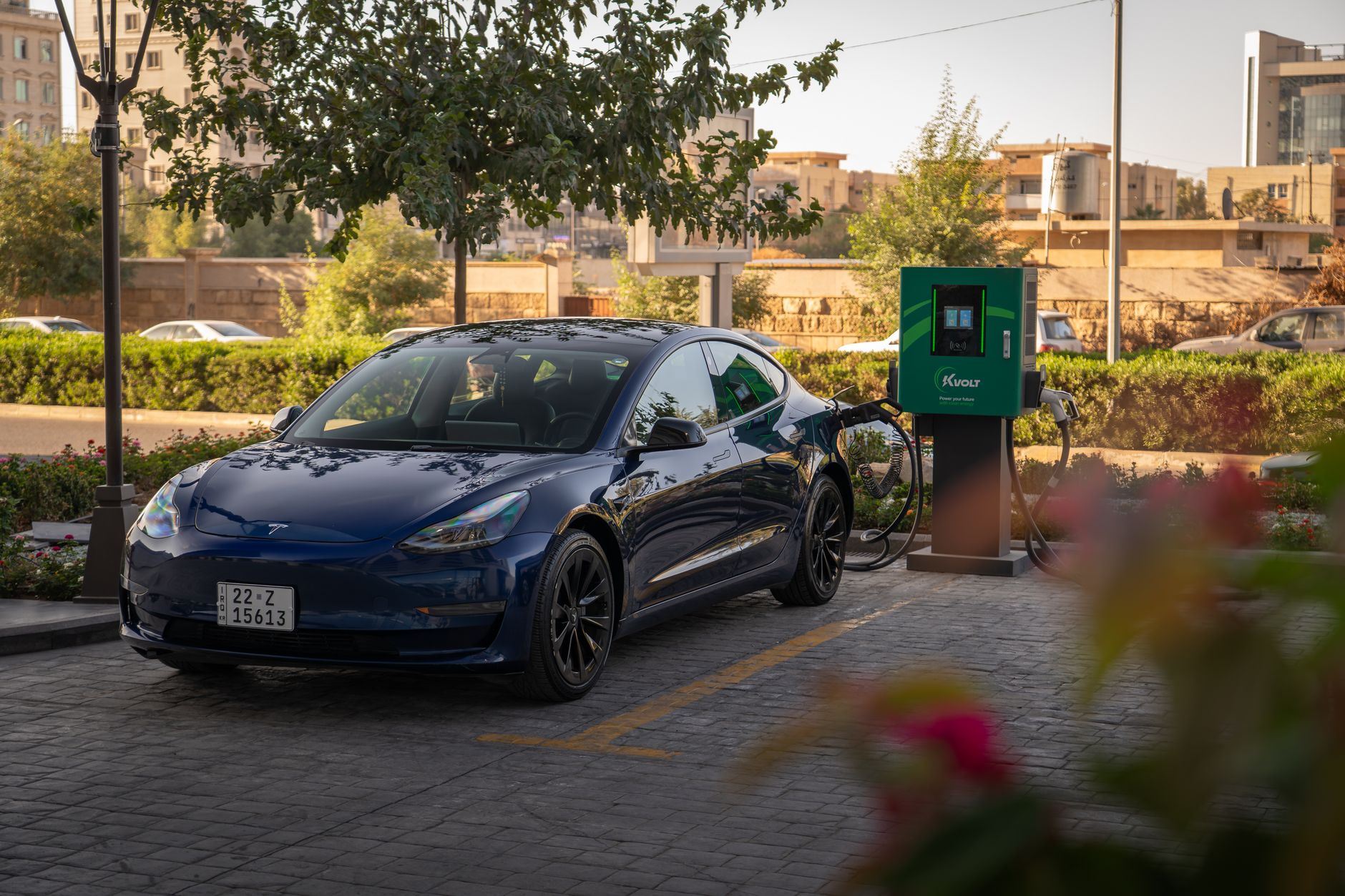
Fall 2026 is shaping up to be the season of the “right-sized” EV. After years of automakers chasing 400-mile range figures and six-figure price tags, the market is finally correcting toward what most drivers actually need: affordable, efficient cars for everyday trips. New compact models are arriving at dealers this quarter, used EV prices have dipped to historic lows, and several states just refreshed their point-of-sale rebates. If your daily driving is mostly a 10-to-25-mile loop to the office, school drop-off, and the grocery store, you’re in the best position of any EV buyer right now.
Here’s the thing most shopping guides get wrong: the best electric car for short daily commutes is rarely the one with the biggest battery or the longest range. It’s the one that matches your actual miles, charges cheaply overnight, and doesn’t make you pay for capability you’ll never use. Let’s break down how to find yours.
Why Short Commutes Change Everything About EV Shopping
When your round-trip commute is under 30 miles, the rules of EV buying flip upside down.
Range anxiety basically disappears. Even a modest 150-mile EV gives you five days of commuting between charges. That means you can prioritize price, efficiency, and parking-friendly dimensions over battery size — and save thousands.
Charging becomes trivial. A standard 120-volt outlet (Level 1) adds roughly 4-5 miles of range per hour. Plug in for 10 hours overnight and you’ve recovered 40-50 miles — more than most short commuters use in a day. Many short-commute drivers never need to install a Level 2 charger at all, saving $800-$2,000 in electrical work.
Depreciation works in your favor. Because short commutes put fewer miles on the odometer, your EV holds value better. Low-mileage used examples of compact EVs are currently selling 30-40% below their original MSRP, making them some of the best bargains in the entire car market.
The practical takeaway: shop for efficiency (miles per kWh), maneuverability, and total cost — not range bragging rights.
What Actually Matters in a Short-Commute EV
Before jumping to specific models, here’s the checklist that separates a great city commuter from a frustrating one:
- Efficiency of 3.5 mi/kWh or better. Short trips with lots of stop-and-go favor efficient motors and strong regenerative braking. The best compact EVs hit 4.0-4.5 mi/kWh in city driving.
- One-pedal driving. In traffic, being able to accelerate and brake with just the accelerator pedal reduces fatigue and recaptures energy. Most modern EVs offer this, but the tuning varies — test it.
- Turning circle under 36 feet. Tight U-turns, cramped parking garages, and parallel parking are daily realities. Smaller is genuinely better here.
- Heat pump (if you’re in a cold climate). Short winter trips are brutal on range because the cabin never fully warms up before you arrive. A heat pump cuts that penalty significantly.
- Physical size vs. interior space. Some compact EVs are packaging miracles; others feel like penalty boxes. Sit in the back seat even if you’ll rarely use it.
Notice what’s not on this list: 0-60 times, DC fast-charging speed above 100 kW, and 300-mile range. You’re commuting, not crossing Nevada.
The Best Electric Car for Short Daily Commutes: Top 2026 Picks
Best overall value: the compact hatchback segment. The latest generation of compact electric hatchbacks — think the refreshed Nissan Leaf, the Chevy Bolt’s return, and the Hyundai Kona Electric — hits the sweet spot. Expect 200-260 miles of range, city efficiency around 4 mi/kWh, and transaction prices in the low $30,000s before incentives. For a 15-mile daily round trip, you’ll charge twice a week at most.
Best budget play: a used EV. A three-year-old Chevy Bolt EUV, Hyundai Ioniq 5, or Tesla Model 3 with 30,000 miles can be found between $16,000 and $24,000 right now. Battery degradation data shows most packs retain 90%+ capacity at that age, which is irrelevant anyway when you drive 20 miles a day. This is arguably the single best value in personal transportation in 2026.
Best for tight urban parking: the true city cars. If you street-park in a dense city, every inch matters. The Fiat 500e and Mini Cooper Electric are genuinely fun, slot into spaces crossovers can’t touch, and their ~150-160 mile ranges are a non-issue for short commutes. You’ll trade highway road-trip comfort, but that’s not what this car is for.
Best if you want one car for everything: the efficient sedans. If your short commute occasionally becomes a 200-mile weekend trip, a Hyundai Ioniq 6 or Tesla Model 3 gives you the efficiency of a small car with real highway legs. You’ll pay more upfront, but you won’t need a second vehicle.
The Real Monthly Math for a 20-Mile Daily Commute
Let’s run actual numbers, because this is where short-commute EVs get almost unfairly cheap.
Assume 20 miles per weekday, plus 40 miles of weekend errands — roughly 520 miles per month.
- Electricity: At 4 mi/kWh efficiency, that’s 130 kWh monthly. At the national average of about $0.17/kWh, you’re spending ~$22/month. Charge on an off-peak overnight rate (often $0.08-$0.12/kWh) and it drops to $10-$16/month.
- Comparable gas car: A 32-mpg compact burns about 16 gallons for the same miles. At $3.40/gallon, that’s ~$55/month — and a thirsty crossover could double it.
- Maintenance: No oil changes, no transmission service, brake pads that can last 100,000+ miles thanks to regen braking. Budget roughly $30-$40/month averaged over the year for tires, cabin filters, and wiper fluid versus $80-$100 for a gas equivalent.
Total it up and a short-commute EV saves most drivers $600-$1,200 per year in running costs alone — before factoring in any remaining state or utility incentives, which in some areas still knock $1,000-$4,000 off the purchase price.
Mistakes Short-Commute Buyers Make (and How to Avoid Them)
Buying too much battery. Every extra 20 kWh of battery adds roughly $2,000-$3,000 to the price and 300 pounds of weight you’ll haul around for no reason. If you never drive more than 60 miles in a day, a 150-mile EV with a healthy buffer is genuinely enough.
Paying for a Level 2 charger you don’t need. Do the math first: if your daily miles are under 40 and you can plug into a wall outlet overnight, Level 1 may cover you entirely. Spend that $1,500 on a home energy audit or winter tires instead.
Ignoring insurance quotes. Compact EVs are generally cheaper to insure than performance models, but rates vary wildly by model and zip code. Get quotes on your shortlist before you buy — the difference can be $40/month between two similarly priced cars.
Skipping the cold-weather test. If you live somewhere with real winters, remember that a 150-mile EV might deliver 100-110 miles in January. For a 20-mile commute that’s still five days of buffer — but only if you have home charging. Street parkers in cold climates should size up one battery tier.
The Bottom Line
The best electric car for short daily commutes in 2026 isn’t the flagship with the giant battery — it’s the efficient, right-sized EV that matches your actual life. For most people driving under 30 miles a day, that means a compact hatchback or sedan with 150-260 miles of range, one-pedal driving, and a price that reflects what you truly need.
Your action plan: calculate your real weekly miles, test-drive at least one compact hatchback and one used option, verify your outlet situation at home, and get insurance quotes before signing anything. Do that, and you’ll end up with a car that costs less to run than your monthly streaming subscriptions — while everyone else is still paying for range they never use.