
EV Charging Off Peak Hours Savings: How to Cut Your Charging Bill in Half in 2026
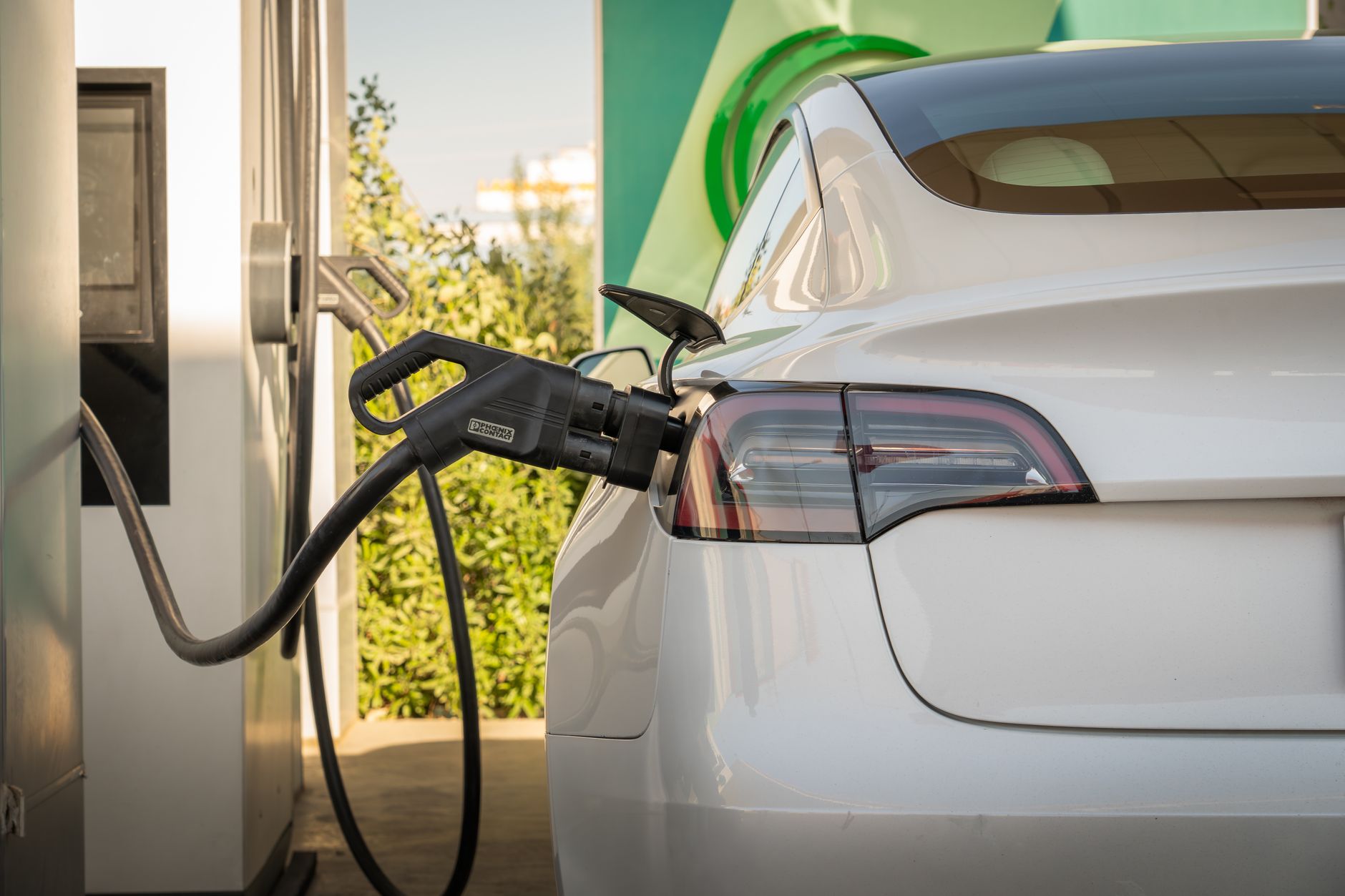
If you bought an EV to save money on fuel, but your electric bill has crept up since you started charging at home, you are not alone. With utility rates climbing across the country in 2026 and more drivers plugging in every day, understanding EV charging off peak hours savings has become one of the most practical ways to keep your cost of ownership low. The good news? Most EV owners can cut their home charging costs by 40 to 60 percent simply by shifting when they plug in — no new hardware required.
This guide breaks down exactly how time-of-use rates work, which utility programs offer the biggest discounts, and the specific strategies that real EV owners are using right now to charge for pennies on the dollar.
Why Off-Peak Charging Matters More Than Ever in 2026
The EV landscape has shifted dramatically over the past two years. More than 4 million electric vehicles are now on American roads, and utilities are feeling the strain during peak demand hours — typically between 4 PM and 9 PM when people come home, cook dinner, and run air conditioning.
To manage this load, over 80 percent of major US utilities now offer time-of-use (TOU) rate plans that reward you for charging during low-demand windows. These plans charge significantly less per kilowatt-hour during off-peak times, usually overnight between 11 PM and 6 AM.
Here is the math that makes this worth your attention:
- Standard flat rate: The national average sits around $0.17 per kWh in 2026
- Off-peak TOU rate: Many utilities drop to $0.05 to $0.09 per kWh overnight
- Peak TOU rate: Some plans spike to $0.35 to $0.50 per kWh during evening hours
If you charge a 75 kWh battery from 20 percent to 80 percent (about 45 kWh), the difference between peak and off-peak charging could be $15 or more per session. Over a year of regular charging, that adds up to $500 to $900 in savings — real money that goes straight back into your pocket.
How Time-of-Use Rate Plans Actually Work
Not all TOU plans are created equal, and picking the wrong one can actually cost you more than a flat rate. Here is what you need to know before switching.
The Three Rate Tiers
Most TOU plans divide the day into three pricing windows:
- Off-peak (typically 11 PM to 6 AM): The cheapest rates, sometimes as low as $0.04 per kWh in states like Georgia and Arizona
- Mid-peak or shoulder (typically 6 AM to 4 PM and 9 PM to 11 PM): Moderate rates close to the standard flat rate
- Peak (typically 4 PM to 9 PM): The most expensive window, often 3 to 5 times the off-peak price
Some utilities also adjust rates seasonally. Summer peak rates in states like California and Texas can be especially brutal, making off-peak charging even more valuable during hot months.
EV-Specific Rate Plans
A growing number of utilities now offer plans designed specifically for EV owners. These often include:
- Super off-peak windows with rates below $0.05 per kWh
- Separate metering for your EV charger so your home usage stays on a standard plan
- Managed charging programs where the utility controls when your car charges in exchange for bill credits
For example, Con Edison in New York offers an EV rate that drops to around $0.03 per kWh overnight. Georgia Power has a Plug-in Electric Vehicle rate with a super off-peak window from 11 PM to 7 AM at roughly $0.045 per kWh. Check with your local utility — you might be surprised at what is available.
Setting Up Your EV for Automatic Off-Peak Charging
The beauty of modern EVs is that you do not need to stand in your garage at midnight to plug in. Nearly every EV sold today includes built-in scheduling features, and most home chargers offer even smarter options.
Use Your Car’s Built-In Scheduler
Every major EV brand — Tesla, Hyundai, Kia, Ford, Rivian, BMW, and others — lets you set a charging schedule directly from the touchscreen or mobile app. The process is straightforward:
- Navigate to the charging settings in your vehicle or app
- Set your preferred charging window to match your utility’s off-peak hours
- Set your target charge level (80 percent for daily driving is ideal for battery health)
- Plug in when you get home — the car will wait until the scheduled time to start drawing power
This set-it-and-forget-it approach means you get the convenience of plugging in when you arrive home while still capturing off-peak rates.
Upgrade to a Smart Charger for More Control
If you want even finer control, a Level 2 smart charger like the ChargePoint Home Flex, Emporia EV Charger, or Wallbox Pulsar Plus offers features that go beyond what your car provides:
- Real-time rate tracking: Some chargers integrate with your utility’s API and automatically charge when rates are lowest
- Energy monitoring: See exactly how much each session costs
- Solar integration: If you have rooftop solar, some chargers can prioritize excess solar generation before pulling from the grid
- Utility demand response: Participate in programs that pay you to let the utility briefly pause your charging during grid emergencies
A quality smart charger costs between $400 and $700, but many utilities offer rebates of $250 to $500 that bring the net cost down significantly.
Real-World Savings: What EV Owners Are Actually Paying
Let us look at concrete numbers from different regions to show how EV charging off peak hours savings play out in practice.
Example 1: California (PG&E)
- Standard rate: approximately $0.34 per kWh
- EV2-A off-peak rate (midnight to 3 PM): approximately $0.28 per kWh
- Annual savings for 12,000 miles: roughly $250 to $350
Example 2: Georgia (Georgia Power)
- Standard rate: approximately $0.14 per kWh
- PEV super off-peak rate (11 PM to 7 AM): approximately $0.045 per kWh
- Annual savings for 12,000 miles: roughly $400 to $500
Example 3: Texas (Oncor service area)
- Standard rate: approximately $0.13 per kWh
- Off-peak TOU rate (9 PM to 6 AM): approximately $0.08 per kWh
- Annual savings for 12,000 miles: roughly $200 to $300
The pattern is clear: the bigger the gap between your peak and off-peak rates, the more you save. Drivers in states with aggressive TOU pricing see the largest benefits, but even modest rate differences add up over time.
Common Mistakes That Eat Into Your Savings
Even EV owners who know about off-peak charging sometimes leave money on the table. Avoid these pitfalls:
- Charging during peak hours out of habit: Plugging in at 5 PM when you get home is convenient but expensive. Always use your scheduler.
- Ignoring seasonal rate changes: Many utilities shift their TOU windows between summer and winter. Check your plan twice a year.
- Forgetting about preconditioning: Warming or cooling your cabin while still plugged in during off-peak hours uses cheaper electricity than doing it on battery power during your drive.
- Overlooking workplace charging: If your employer offers free or subsidized charging, that might beat even off-peak home rates. Do the math for your situation.
- Not re-evaluating your plan annually: Utilities update their rate structures regularly. A plan that saved you money last year might not be the best option today.
Start Saving on Your Very Next Charge
The opportunity for EV charging off peak hours savings is one of the simplest wins in EV ownership. You do not need to buy new equipment, change your driving habits, or sacrifice convenience. All it takes is a phone call to your utility or a few taps in your car’s settings app.
Here is your action plan for this week:
- Call your utility or check their website for TOU and EV-specific rate plans
- Compare the rates against what you are currently paying
- Set your charging schedule in your vehicle or charger app to match the cheapest window
- Monitor your first bill to confirm the savings are showing up
With electricity prices continuing to rise in many markets, locking in off-peak rates now protects your budget for years to come. Your EV is already saving you money on gas and maintenance — make sure it is saving you money on electricity too.