EV Charging Etiquette Rules 2026: The Unwritten Code Every Driver Needs to Know
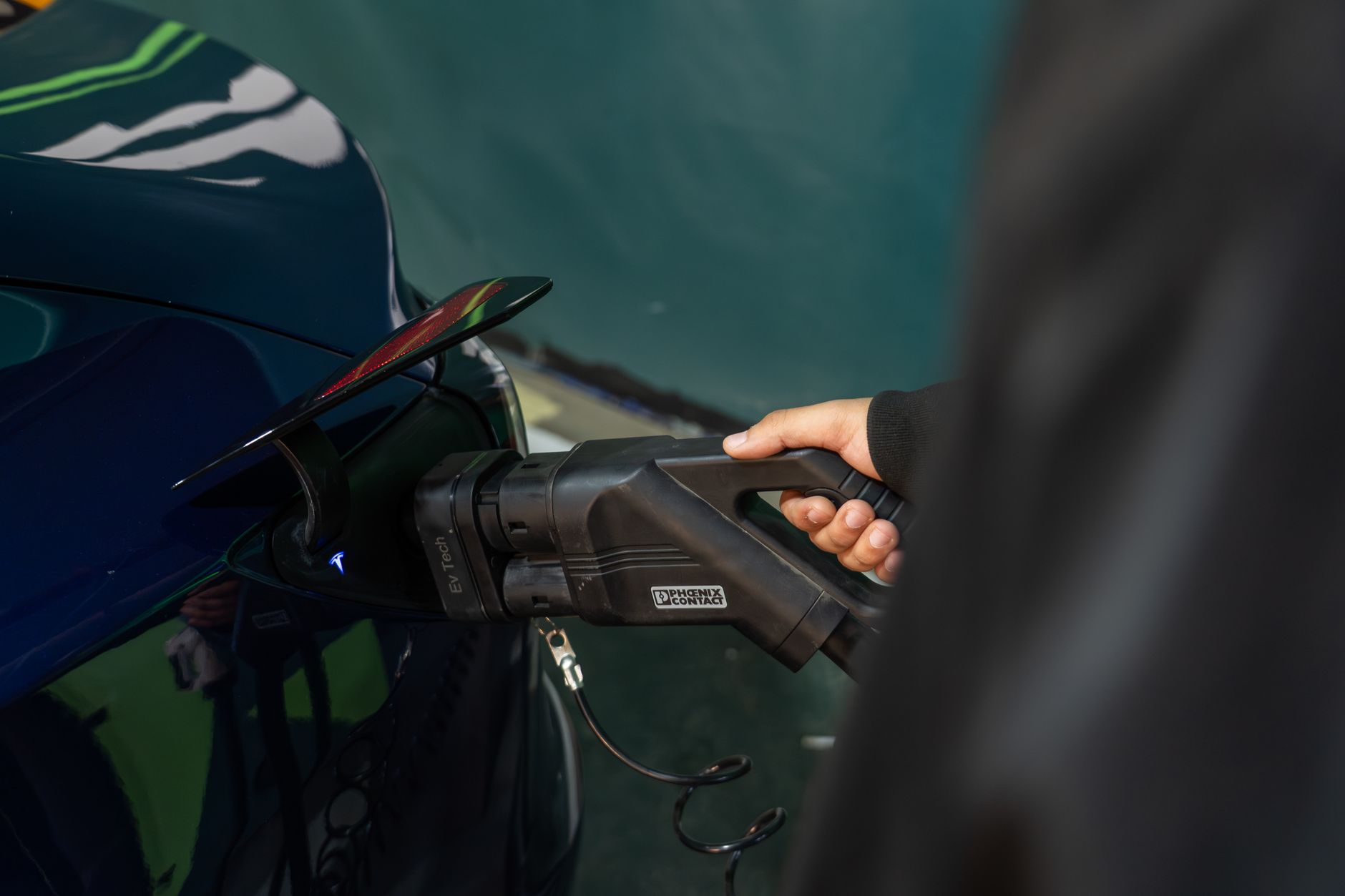
With over 4.2 million EVs now on American roads and public charging infrastructure struggling to keep pace with adoption, the simple act of plugging in has become a social minefield. Just last month, a viral video showed two drivers arguing over a DC fast charger at a California rest stop—one blocking the stall while eating lunch, the other desperately needing 50 miles to reach a job interview. As we head into the holiday travel season, understanding EV charging etiquette rules 2026 isn’t just about being polite; it’s about keeping the electric ecosystem functional for everyone.
Whether you’re a new EV owner or a seasoned road-tripper, these updated guidelines reflect the current reality of crowded stations, dynamic pricing, and the growing pains of our electric transition.
The 80% Rule: Why Charging to 100% Is the New Parking in a Handicap Spot
The golden rule of EV charging etiquette rules 2026 centers on battery management: unplug at 80% unless you genuinely need the full range. Here’s why this matters more than ever.
Modern EVs charge rapidly from 20% to 80%, then slow to a crawl for the final 20%. On a 150 kW DC fast charger, a Hyundai Ioniq 5 might pull 230 miles of range in 18 minutes to hit 80%, then require another 32 minutes to reach 100%. During peak hours—Friday afternoons, holiday weekends, and the 4-7 PM post-work rush—that extra half-hour creates a queue of frustrated drivers.
The 2026 nuance: With more EVs featuring 800-volt architectures (like the Porsche Taycan, Kia EV9, and new Lucid Gravity), charging curves have flattened. Some drivers now justify charging to 90% if the station is empty. However, the etiquette standard remains: if someone is waiting, 80% is your ceiling.
Pro tip: Set your charge limit to 80% in the vehicle settings before you arrive. Most 2026 models allow you to adjust this via the infotainment screen or companion app, removing the temptation to “just top off.”
Campers and Lurkers: The New Parking Violations
Charging stations aren’t parking spots, yet “ICE-ing” (internal combustion engine vehicles blocking chargers) has evolved into “EV camping”—electric cars occupying stalls long after charging completes.
The 15-Minute Grace Period: Industry standard now dictates you have 15 minutes to move your vehicle after charging stops. Networks like Electrify America and EVgo have implemented idle fees ranging from $0.40 to $1.00 per minute after a grace period, but enforcement remains spotty. Don’t be the driver who treats a 350 kW charger like a personal parking space while shopping at Target.
The “Lurker” Phenomenon: A 2026-specific issue involves drivers who park at chargers without plugging in, waiting for the stall to become available. This blocks access for others and creates confusion. If you’re waiting for a charger, park in a standard spot and use apps like PlugShare to monitor availability, or wait in the designated queue lines now painted at high-traffic stations.
Actionable rule: If you’re not actively charging or within 15 minutes of finishing, move to a regular parking space. Your frunk doesn’t entitle you to premium real estate.
DC Fast Charging vs. Level 2: Know Your Lane
Not all chargers serve the same purpose, and misusing them violates core EV charging etiquette rules 2026.
DC Fast Chargers (Level 3): These are for road trips and urgent top-ups, not daily charging. If you have home charging, using a 350 kW public charger for your weekly “fill-up” while you grocery shop for 45 minutes is poor form. These stations cost $0.45-$0.65 per kWh—significantly more than home rates—and are critical infrastructure for travelers.
Level 2 Destination Chargers: Found at hotels, shopping centers, and workplaces, these 6-19 kW chargers are designed for longer dwell times. However, the 4-hour rule applies: move your car after 4 hours or when charging completes, whichever comes first. With many 2026 EVs featuring 11.5 kW onboard chargers (up from 7.2 kW in earlier models), four hours provides roughly 100 miles of range—sufficient for most destination charging scenarios.
The “Opportunity Charging” Exception: If you’re at a DC fast charger with 10+ stalls and only two are occupied, charging to 90% while grabbing coffee is acceptable. Context matters. A crowded Walmart Supercharger on Thanksgiving weekend demands different behavior than an empty station at 2 AM on a Tuesday.
Payment and Access: The First-Come, First-Served Protocol
Charging networks have largely abandoned the “reserved charging” experiments of 2024-2025, returning to first-come, first-served models. This shift makes queue management essential.
The Zipper Merge: When multiple cars wait for a single available charger, the standard protocol mirrors highway merging: alternate between those waiting for specific stalls and those flexible enough to take any available unit. Don’t “camp” on a specific stall if another opens up.
App Etiquette: In 2026, most networks require app activation or RFID cards. If you’re struggling with payment, move your vehicle aside after 5 minutes of troubleshooting. Don’t block the stall while calling customer service—others can charge while you sort out account issues.
The “Ghost” Problem: Some drivers activate charging sessions remotely to “hold” stalls while en route. This is strictly forbidden. Networks now flag accounts that initiate sessions without vehicle connection within 3 minutes, potentially resulting in suspension.
Emergency Situations and the “Can I Unplug You?” Dilemma
Perhaps the most contentious issue in EV charging etiquette rules 2026 involves interrupting another driver’s session.
The Emergency Exception: If you’re stranded with less than 10 miles of range and encounter a fully charged EV blocking a charger, you may unplug them—but only if their vehicle displays a “charge complete” notification or their charging light is off. Most 2026 EVs send push notifications to owners when charging stops, so check for obvious signs of completion first.
Leave a Note: If you must unplug someone, leave a note on their windshield explaining the emergency. Better yet, use the “Notify Driver” feature now standard on ChargePoint, EVgo, and Tesla apps, which pings the owner without revealing your personal information.
The “Splitting” Question: Some dual-cable DC fast chargers allow two vehicles to charge simultaneously, splitting power. If a station is configured this way and a driver is using one cable, you may use the second without asking. However, if your vehicle requires full power (e.g., a Lucid Air charging at 300 kW), politely ask if they mind switching to a single-cable stall to avoid slowing their session.
Conclusion: Courtesy Is the New Currency
As charging infrastructure races to catch up with EV adoption, EV charging etiquette rules 2026 boil down to one principle: treat charging stations as shared resources, not personal amenities. The driver who unplugs at 80%, moves promptly after charging, and respects the queue keeps the network flowing for everyone.
Before your next public charging session, check your vehicle’s charge limit settings, download the relevant network apps to streamline payment, and remember that the person waiting behind you might be trying to reach a hospital, job interview, or family emergency. In the electric age, patience and courtesy aren’t just virtues—they’re necessities that determine whether our charging infrastructure succeeds or fails.
Charge smart, move quickly, and we’ll all get where we’re going.