
EV Charging Etiquette Road Trip Tips: The Unwritten Rules That Keep the Network Flowing
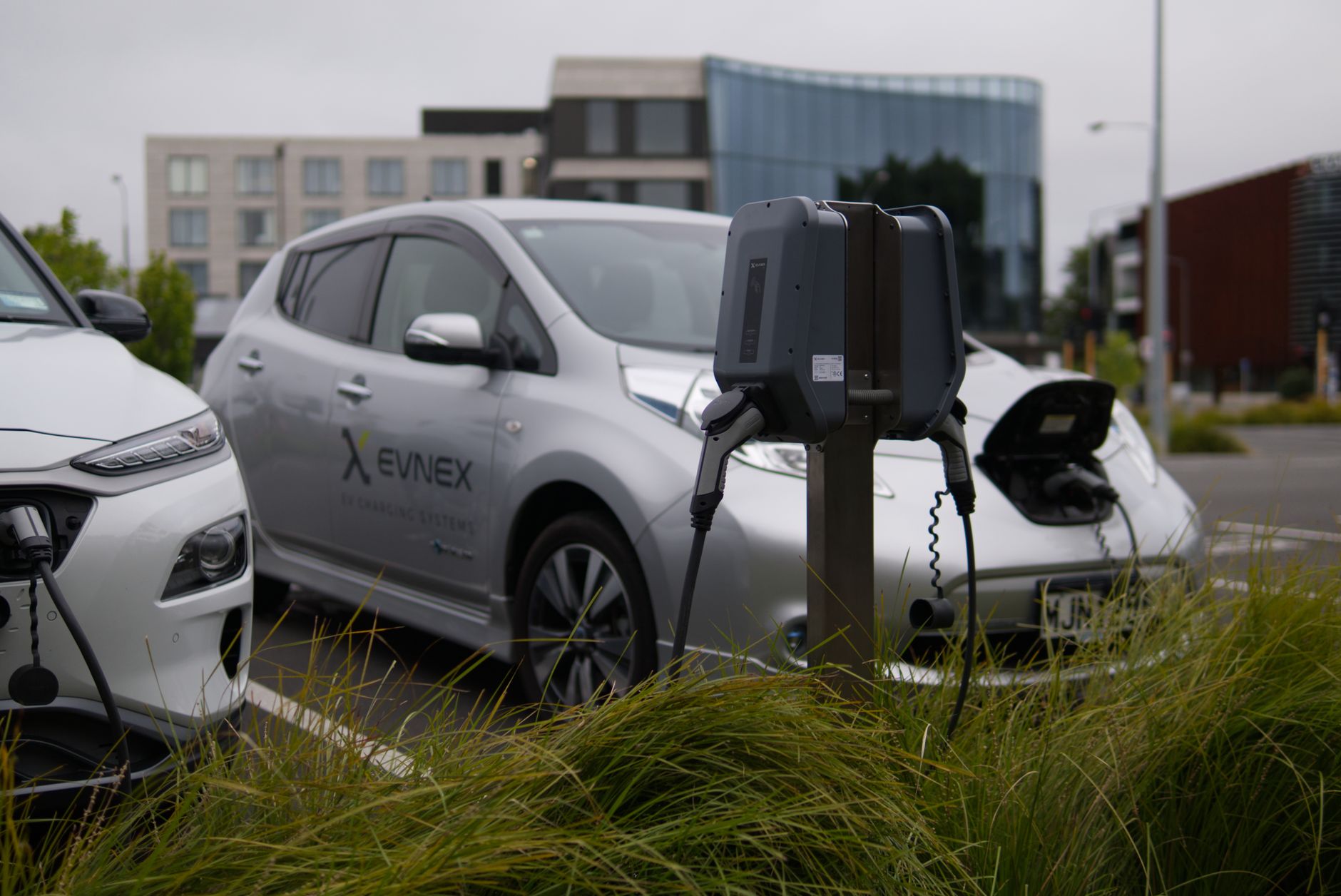
The 2026 and 2027 electric vehicle landscape is exploding with options that finally make long-distance road trips genuinely effortless—think 400+ mile range Rivian R1S updates, the Hyundai Ioniq 9’s massive battery, and Tesla’s revised Model Y Juniper pushing charging speeds past 250kW. But here’s what nobody talks about: as EV adoption accelerates and summer travel peaks, our charging infrastructure isn’t scaling as fast as our battery sizes. That gap creates friction at charging stops, and the difference between a smooth 20-minute top-up and a 45-minute queue often comes down to behavior, not hardware.
Whether you’re taking your first EV road trip or your fiftieth, these EV charging etiquette road trip tips will save you time, preserve your sanity, and keep you from becoming the person everyone else silently resents at the Electrify America station.
The 80% Rule Isn’t Just for Battery Health—It’s a Social Contract
Here’s the charging etiquette hill I’ll die on: move your car at 80% unless you absolutely need that extra range. This is the single most important of all EV charging etiquette road trip tips, yet it’s violated constantly.
Why? DC fast charging curves are brutal. Your EV might gulp electrons at 200kW from 10-50%, but by 80% it’s trickling at 40kW or less. That last 20% takes nearly as long as the first 60%. Meanwhile, someone behind you might need just 15 minutes to reach their next stop.
The practical framework:
- Plan to 80%: Use A Better Route Planner or your native nav to calculate stops that keep you between 10-80% state of charge
- Set charge limit alerts: Most EVs let you buzz your phone when hitting a target percentage—use it, don’t camp in the car
- Exception carve-outs: Long desert crossings (I-10 west of San Antonio, I-70 across Utah) or sub-freezing conditions justify pushing to 90-95%. Post a note on PlugShare explaining why if you’ll be awhile
I watched a Rivian driver hit 97% at a four-stall EA station outside Flagstaff last March while three cars waited in 102°F heat. Don’t be that Rivian driver.
Queue Management: The Chaos Before the Charging
Summer 2026 is seeing unprecedented charger congestion. With EV sales up 34% year-over-year but DC fast installations lagging at 18% growth, the “pull up and plug in” era is ending at popular corridors.
When you arrive at a busy station:
- Assess the full layout—don’t block access lanes while “hunting” for the optimal stall
- Use PlugShare check-ins religiously—mark your arrival, estimated charge time, and departure. This single habit transforms community coordination
- If all stalls occupied, form an actual line—not the awkward parking lot scatter. First arrival gets next open stall, period. I’ve seen verbal disputes at California I-5 stations because someone “didn’t see” the BMW iX that arrived twelve minutes earlier
- The split-cable dance: At Tesla V3/V4 Superchargers or dual-cable CCS stations, know that sharing a cabinet splits power. If someone offers to swap cables to optimize speeds, accept graciously
Pro tip for 2026 travelers: New NACS adapter availability means Tesla stations are now genuinely multi-brand. But Tesla owners often don’t realize their “exclusive” network now serves Hyundai, Ford, and Rivian drivers. The etiquette tension is real—communicate, don’t assume priority based on brand.
The 15-Minute Grace Period and Idle Fees
Most networks now impose idle fees—Tesla’s $0.50-$1.00 per minute, Electrify America’s $0.40/minute after a 10-minute grace period. But the etiquette grace period should be longer than the financial one.
My personal rule: 15 minutes after hitting target, or immediately if someone is waiting.
Practical execution:
- Set two phone alarms: one for target charge percentage, one for hard departure deadline
- Queue for food/bathrooms while charging, not after—the classic rookie error is finishing your charge, then wandering into Starbucks for 25 minutes
- If you must leave the car: leave a visible note with your phone number and expected return. Old school, shockingly effective
The 2026 Hyundai Ioniq 9 and Kia EV9 both now feature “Charge Complete” exterior lighting sequences—subtle but visible indicators that you’ve finished. Use them. If your EV lacks this, crack a window or leave a note. Ambiguity creates conflict.
Cable Care and Stall Hygiene: The Little Things
This sounds trivial until you’ve encountered a melted CCS handle or a charging cable dragged through last week’s mud puddle.
Cable etiquette specifics:
- Never drop the cable—the locking mechanism is delicate, replacement costs are $800+, and a damaged cable takes that stall offline for days
- Return cables to holsters properly—not dangling, not coiled on the ground where they’ll be run over
- Report damage immediately through the network app; don’t just drive away hoping the next person notices
- Winter road trip addition: if you used a snow brush or scraped ice, don’t leave that debris in the charging stall. I’ve slipped on ice chunks at Colorado stations
The trash factor: Charging stops are your reset point. Pack out everything, including those EA or Tesla paper towels you used to wipe your charge port. The “broken windows” theory applies to charging stations—neglected stalls attract more neglect.
When Things Go Wrong: De-escalation and Mutual Aid
Even with perfect etiquette, hardware fails, payment systems glitch, and plans collapse. Your response defines the community.
The 2026 reality: With more new EV owners hitting the roads, you’ll encounter people genuinely panicked about range, unfamiliar with payment apps, or struggling with first-time NACS adapter use.
Constructive interventions:
- Offer concrete help, not vague reassurance—“I can show you the PlugShare filter for working stalls” beats “you’ll be fine”
- Share real-time data: If station 3A is running at half speed, tell the person pulling into 3B before they start their session
- The “range emergency” exception: If someone rolls in at 2% and you’re at 65% with options, yielding your stall is heroic—but never obligatory. Don’t guilt others, don’t be guilted yourself
I once spent 40 minutes at a Buc-ee’s in Texas helping a first-time EV6 owner understand that her “charge failed” message was actually a loose NACS adapter connection. She bought my coffee. The network improved by one competent user.
Conclusion
The best electric cars of 2026 and 2027 are making range anxiety obsolete—but charger availability anxiety is the new frontier. These EV charging etiquette road trip tips aren’t about being polite for politeness’s sake. They’re about throughput, predictability, and preserving the charging network’s utility as EV adoption accelerates toward the mainstream tipping point.
The unwritten rules are becoming written, enforced by community norms and idle fees alike. Master them now, and you’ll move through charging stops with the frictionless efficiency that makes EV road trips genuinely superior to gasoline stops. Ignore them, and you’ll find yourself the subject of a viral Reddit post—or worse, waiting in a longer queue that your own behavior helped create.
Charge to 80%, move your car promptly, check in on PlugShare, and treat the cable like it costs $800. The road trip revolution depends on all of us not charging like we still own the only EV in town.