
Electric Vehicle Depreciation Rates by Brand: The 2026 Data That Changes Everything
If you caught The Current: Weekly EV News Ep #114 from May 10, 2026, you already know the headline that shook the used EV market: wholesale auction prices for three-year-old electric vehicles just dropped to their lowest point since 2022. But here’s what the headlines glossed over—not every brand is sinking equally. Some manufacturers are watching their EVs hemorrhage value at twice the rate of others, while a select few are defying gravity entirely.
Understanding electric vehicle depreciation rates by brand isn’t just spreadsheet trivia for fleet managers. It’s the difference between a smart buy and a $15,000 mistake. Whether you’re shopping new, used, or trying to time your lease return, brand-specific depreciation patterns are rewriting the rules of EV ownership in 2026.
Why Brand Matters More Than Battery Size
The old assumption was simple: EVs depreciate faster because of battery degradation anxiety and rapid technology improvements. But 2026 data from Black Book, ALG, and wholesale auction networks reveals something more nuanced. Brand reputation, software support policies, and charging network access now drive depreciation more than range figures or kWh capacity.
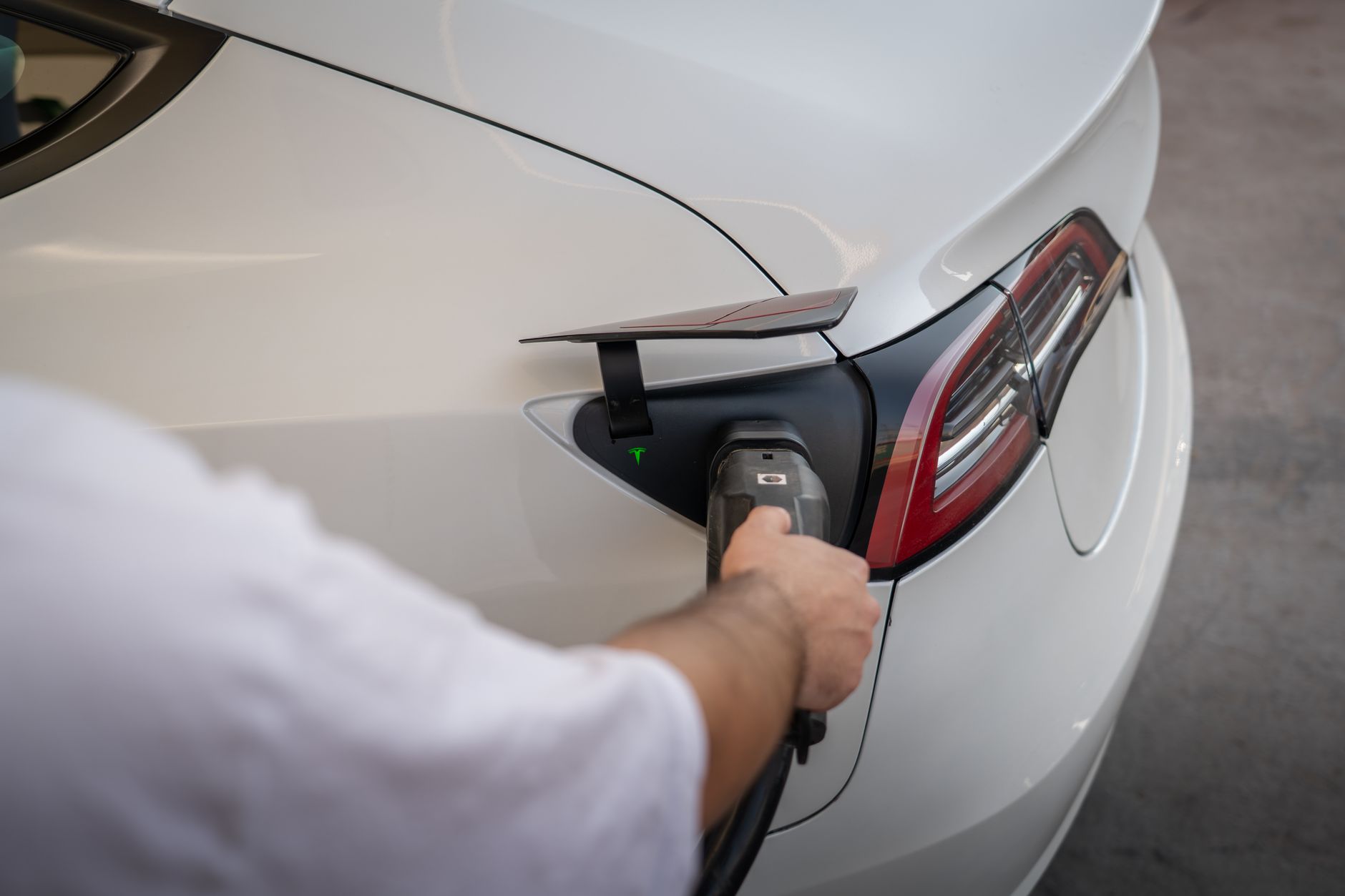
Take Tesla. Despite relentless price cuts on new models throughout 2024 and 2025, three-year-old Model 3s are holding 62-68% of their original MSRP depending on trim. That’s actually better than the segment average of 55-58%. Why? Supercharger access remains the gold standard, and Tesla’s over-the-air update pipeline keeps even older cars feeling current. The brand’s depreciation curve flattened once the used market absorbed the initial shock of new-car price wars.
Contrast this with a brand like Polestar. The Polestar 2 is a genuinely good car—arguably better built than a Model 3 in some ways—but three-year examples are trading at 45-52% of original price. The gap isn’t about quality; it’s about buyer confidence in long-term software support and service accessibility. When shoppers can’t name your local dealer, they discount your resale value.
The 2026 Depreciation Scorecard: Winners, Losers, and Surprises
Here’s where electric vehicle depreciation rates by brand get genuinely surprising. Based on wholesale transaction data from January through May 2026, the landscape has shifted dramatically from even two years ago.
The depreciation survivors:
- Tesla: 62-68% retention at 36 months (Model 3/Y), though Model S/X lag at 54-59%
- Rivian: 58-63% for R1T/R1S, defying earlier bankruptcy fears—reservation backlog helps
- BMW: 56-61% for i4/iX models, benefiting from traditional luxury buyer loyalty
- Hyundai/Kia: 55-60% for Ioniq 5/EV6, the mainstream surprise—NACS adapter rollout stabilized values
The depreciation casualties:
- Nissan: 38-45% for Ariya, Leaf dragging brand perception down despite being a separate product
- Chevrolet: 42-48% for Equinox EV, Bolt legacy still poisoning resale confidence
- Fisker: 25-35% (where transactions happen at all), the obvious cautionary tale
- Lucid: 48-54% for Air, the “better car than Tesla” that buyers don’t trust at resale time
The most fascinating case? Mercedes-Benz EQS. At 36 months, these flagship EVs are retaining just 46-51% of their astronomical original prices. That’s worse than some mainstream brands. The problem isn’t the car—it’s the sticker shock of new EQS pricing collapsing and the perception that Mercedes hasn’t cracked EV software experience.
How Software Updates Became a Depreciation Weapon
Here’s an angle almost nobody is covering: software sunset policies are now actively destroying resale value for specific brands.
Volkswagen’s ID.4 provides the clearest example. Early 2021-2022 models received limited update support compared to newer hardware revisions. When VW confirmed that older ID.4s wouldn’t get the full “3.0” software stack, wholesale values for those specific VINs dropped 8-12% in a single quarter. Buyers in the used market started demanding hardware build dates, not just model years.
Tesla’s approach—continuous updates for virtually all hardware generations—creates a depreciation moat. Even a 2018 Model 3 got the recent holiday update with new features. That predictability gets priced into resale value.
Rivian’s recent commitment to “hardware upgrade paths” for early R1T trucks, announced in late 2025, directly addressed this anxiety. The result? R1T depreciation flattened almost immediately. When The Current crew analyzed this on Episode 114, they noted it was the first time a startup had successfully “Tesla-fied” its software promise to protect resale.
Practical tip for buyers: Before purchasing any used EV, check the brand’s software update history for your specific model year and hardware revision. Forums and owner groups track this obsessively. A “good deal” on a lightly used EV can evaporate if you’re stuck on legacy software.
The NACS Transition’s Hidden Depreciation Bomb
The 2024-2025 NACS (Tesla charging port) adoption rush is creating a two-tier market that’s brutal for certain brands’ older inventory.
If you bought a 2022-2023 EV with CCS charging—virtually everything except Tesla—you’re facing a depreciation cliff as the charging infrastructure shifts. Non-Tesla charging networks are adding NACS cables, but the experience remains fragmented. Used buyers know this, and they’re discounting CCS-only vehicles accordingly.
The brands that moved fastest to NACS are seeing protection:
- Ford F-150 Lightning and Mustang Mach-E: NACS adapter program launched early 2024, depreciation stabilized at 52-57%
- GM brands: Slower NACS rollout, older Bolt/EUV inventory still stuck with CCS anxiety—42-49% retention
- Mercedes, BMW, Volvo: NACS hardware arriving 2025-2026, but used buyers are waiting for native NACS models rather than adapter solutions
The actionable insight: If you’re buying used in 2026, prioritize vehicles with native NACS hardware or manufacturer-backed adapter programs with confirmed timelines. CCS-only vehicles aren’t worthless, but they’re carrying a 5-8% depreciation penalty that will likely widen before it closes.
Timing Your Exit: When Depreciation Curves Flatten
Not all depreciation happens equally over time. The steepest drops for most EV brands occur in months 0-18 and again around month 36 when the original lease return wave hits. But brand-specific patterns create strategic windows.
Tesla’s curve is unusual—steep initial drop from new-car price cuts, then surprising stability. A 2023 Model 3 bought used in early 2026 may depreciate less in absolute dollars over the next two years than a new 2026 Hyundai Ioniq 5.
Rivian’s curve is currently inverted from typical patterns. Early production R1Ts (2022) with known quality issues depreciated heavily, but 2023-2024 builds with improved manufacturing are holding stronger than expected. The brand’s depreciation story is improving with time, which is rare.
For luxury brands struggling with EV transitions—Mercedes, Audi, Jaguar—the smart play is buying CPO (certified pre-owned) at 24-30 months when the first cliff has already happened, then riding the flatter portion of the curve. A 2023 EQS at 55% of original price is arguably better value than a new 2026 model that will drop similarly.
Conclusion: Use Electric Vehicle Depreciation Rates by Brand as Your Buying Compass
The blanket statement “EVs depreciate faster than gas cars” is dead in 2026. Electric vehicle depreciation rates by brand now spread across a 40-percentage-point range—from Fisker’s collapse to Tesla’s resilience. Your buying strategy should reflect this reality.
Start with the brand’s software commitment, not just its battery specs. Verify NACS compatibility or adapter program status. Check wholesale auction trends for your specific model year, not just the model name. And consider whether a “depreciated luxury” EV like a used EQS or Lucid Air represents genuine value, or a trap where the next buyer will demand even deeper discounts.
The market that The Current dissected in May 2026 isn’t a uniform decline—it’s a sorting. Brands that built trust in long-term ownership are separating from those that treated early EVs as disposable experiments. Your wallet will notice the difference whether you’re buying, selling, or holding for the next five years.