
Electric Car Real World Highway Efficiency: Why Your 70 MPH Range Is Never the EPA Number
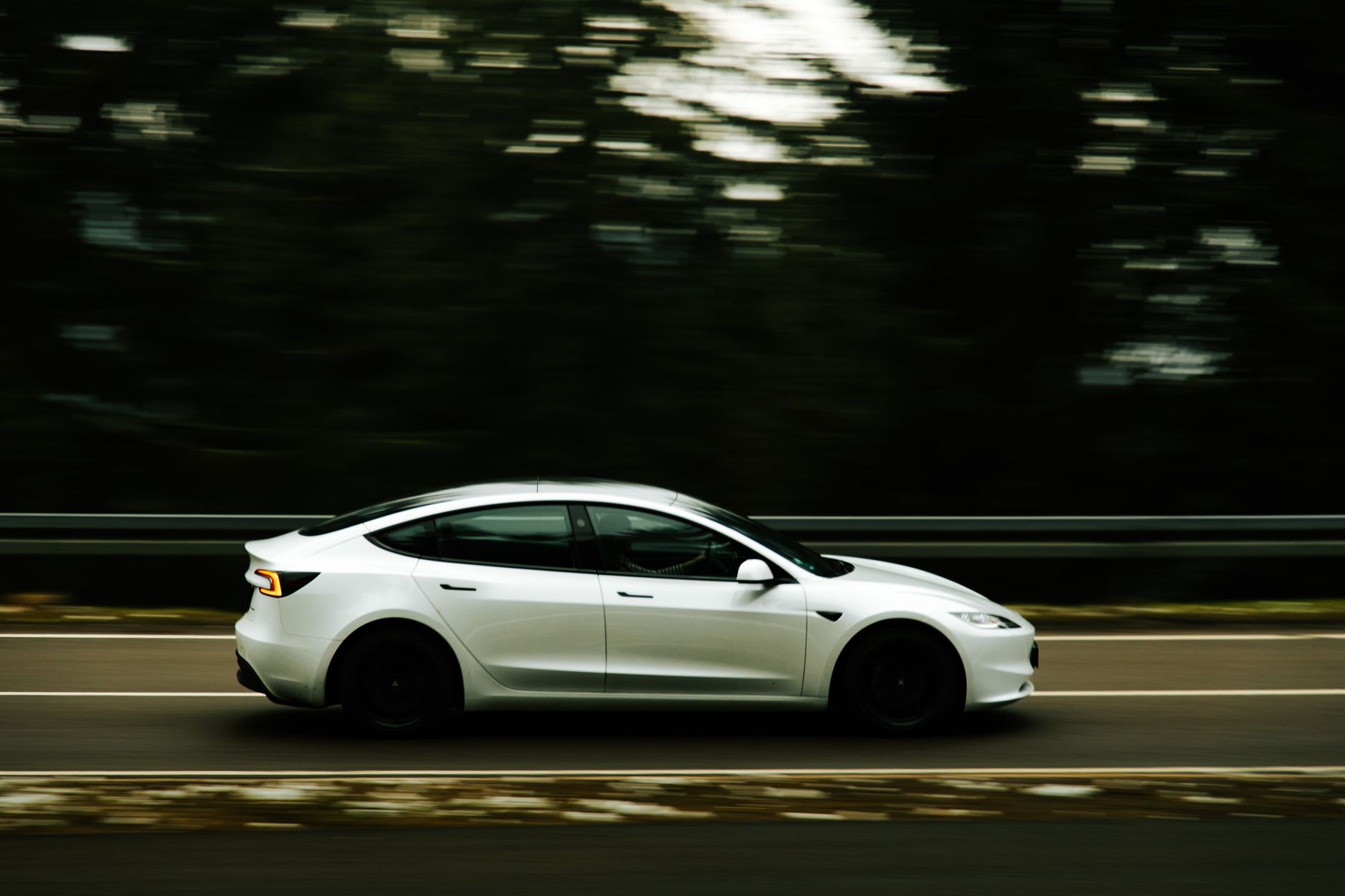
The summer road trip season is in full swing, and the forums are flooded with the same frustrated post: “I charged to 100% and couldn’t even make it 200 miles on the interstate.” Meanwhile, as Electric Car News, Reviews and Buying Guide outlets race to cover the latest 2026 model announcements, few are addressing the gap between laboratory optimism and asphalt reality. Here’s the truth that doesn’t make for flashy headlines: electric car real world highway efficiency is a completely different beast than the window-sticker fantasy, and understanding why separates happy owners from range-anxiety sufferers.
Why the EPA Test Flatters Every EV on the Highway
The EPA’s highway cycle averages just 48.3 mph with gentle acceleration and no headwinds. Real interstate cruising? You’re holding 70-75 mph, fighting aerodynamic drag that increases with the square of velocity. At 70 mph, your EV needs roughly 40% more energy to push through the air than at 50 mph. The EPA doesn’t test sustained high speeds, doesn’t account for 20 mph crosswinds, and certainly doesn’t simulate the A/C blasting through a Nevada July.
Here’s what actually happens to your efficiency:
- Speed penalty: Every 10 mph above 60 mph costs 15-20% more energy
- Temperature tax: Heating or cooling at highway speeds adds 2-4 kW constant draw
- Elevation swings: A 2,000-foot climb can devour 8-12% of battery before regen recovers half
- Tire reality: OEM efficiency tires often get swapped for grippier, higher-rolling-resistance rubber
The Hyundai Ioniq 6 carries a 361-mile EPA combined rating, but independent 70 mph testing by InsideEVs consistently yields 280-310 miles depending on trim and conditions. That’s not a flaw—it’s physics.
The 70 MPH Test: How to Verify Claims Yourself
Before trusting any “real world” figure, know how it was generated. The gold standard is a 70 mph constant cruise test on a flat loop, climate control at 72°F, no drafting trucks, and multiple battery-to-empty runs averaged.
DIY verification protocol for your next rental or test drive:
- Reset trip meter at full charge on a known interstate stretch
- Hold 70 mph with cruise control for minimum 50 miles (preferably 100+)
- Note starting/ending battery percentage and kWh used if available
- Record ambient temp, wind direction, and elevation change
- Calculate: (miles driven) ÷ (kWh consumed) = your mi/kWh reality
A Tesla Model Y Long Range might show 4.0 mi/kWh in city driving but drop to 3.1-3.3 mi/kWh in this test. That 3.2 figure? It translates to roughly 256 miles of usable 70 mph range from the 82 kWh pack—not the 320-mile EPA highway number.
Five 2026 Models That Defy the Highway Efficiency Slump
Not all EVs hemorrhage range equally. These models stand out for maintaining electric car real world highway efficiency closest to their paper ratings:
BMW i4 eDrive40 (2026 refresh) The slippery 0.24 Cd and modest 18-inch wheel option preserve efficiency. Independent 70 mph tests show 3.6 mi/kWh, translating to 300+ miles from its 81 kWh usable pack. The trick? BMW’s heat pump and aggressive battery thermal management.
Hyundai Ioniq 6 SEL RWD Still the efficiency champion for the money. The 77.4 kWh pack delivers 3.5-3.7 mi/kWh at 70 mph in mild weather. Avoid the 20-inch wheels and AWD if highway range is your priority—they cost 8-12% efficiency.
Tesla Model 3 Long Range (Highland) Tesla’s motor efficiency and software mastery show here. The LFP-based RWD variant manages 3.8 mi/kWh sustained highway, though the AWD version drops to 3.4-3.5. The Supercharger network advantage matters less if you’re stopping more often due to lower efficiency.
Mercedes EQE 350+ Surprising entry, but the 0.20 Cd (lower than a Prius) and 90 kWh usable pack mean 3.3 mi/kWh still yields 297 miles of real 70 mph range. The air suspension auto-lowers at speed, shrinking the frontal gap.
Lucid Air Pure RWD Overkill for most budgets, but educational: 4.1+ mi/kWh at 70 mph from a 88 kWh pack. Lucid’s motor and inverter efficiency (claimed 92%+ round-trip) sets the benchmark others chase.
The Hidden Highway Killers Nobody Discusses
Beyond speed and weather, these factors sabotage electric car real world highway efficiency in ways owners discover too late:
Roof racks and accessories: A Thule box destroys 15-25% efficiency. Even empty bike racks cost 5-8%. Remove them.
Tire pressure obsession: EVs are sensitive. Running 38 psi instead of 42 psi (common for ride comfort) can cost 6-10% range. Check cold pressure monthly.
Software update roulette: Some manufacturers “optimize” battery management in updates that subtly reduce available capacity. Track your max kWh charged after each OTA—apps like TeslaFi or LeafSpy help.
Charging speed strategy: Paradoxically, charging to 100% for highway trips hurts efficiency. The top 10% charges slowly and regen is disabled, forcing friction braking. Charge to 80%, drive faster, stop more often—it often nets shorter total trip time.
Drafting semis: Following 2 seconds behind a truck improves efficiency 15-25%. It’s also dangerous and illegal in some states. The efficiency gain isn’t worth the risk, but explains why some owners report “better than EPA” numbers they don’t disclose were truck-assisted.
How to Shop Smarter Using Real Highway Data
When cross-shopping, ignore EPA combined. Instead, demand these figures from dealers or forums:
- 70 mph constant range from independent testers (Bjørn Nyland, InsideEVs, Out of Spec Reviews)
- mi/kWh or Wh/mi at highway speeds, not just city
- Cold weather highway penalty for your climate (20°F can cost 25-35%)
- Charging curve from 10-80%—a fast-charging efficient car beats a slow-charging long-range one
Calculate your personal highway efficiency budget: (daily highway miles) × (weather factor) × (speed factor) × (safety margin 1.2). If that’s 180 miles in a Michigan winter at 75 mph, you need a car with 280+ EPA combined to comfortably avoid anxiety.
The Bottom Line
Electric car real world highway efficiency will always disappoint if you expect EPA numbers. The gap isn’t manufacturer dishonesty—it’s a test cycle designed for emissions compliance, not your Memorial Day drive to Denver. The owners who love their EVs long-term are the ones who did the math upfront, bought 20% more battery than they thought they needed, and learned that 70 mph is where EVs reveal their true character.
Before your next purchase, run your own 70 mph test. The numbers don’t lie, even when the sticker does.