
Best Electric Cars for Snow: 2026 Winter-Ready Picks That Actually Grip
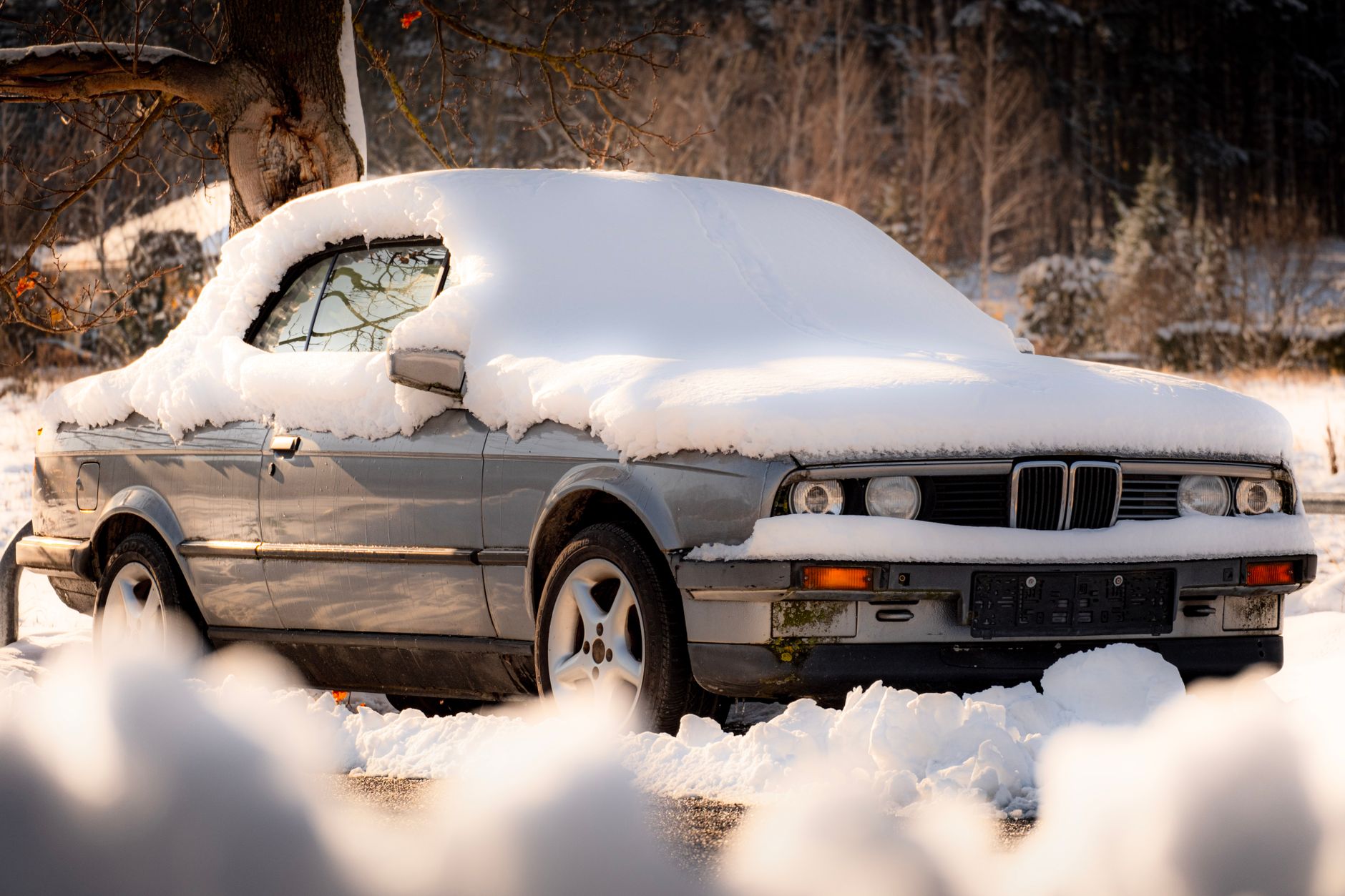
Winter is coming—and if you’re shopping for an electric vehicle right now, you’re probably wondering how it’ll handle your first blizzard. With automakers rolling out dedicated winter packages and advanced traction systems for the 2026 model year, the landscape of best electric cars for snow has changed dramatically. Gone are the days when EVs were automatically dismissed as fair-weather vehicles. Today’s electric cars can outperform many gas-powered SUVs in winter conditions, thanks to instant torque, low centers of gravity, and sophisticated all-wheel-drive systems.
But not all EVs are created equal when temperatures drop. Some lose 40% of their range in freezing weather, while others maintain composure on black ice better than vehicles twice their price. After analyzing real-world winter testing data from Scandinavia, Colorado, and Michigan’s Upper Peninsula, we’ve identified which electric cars truly deserve your consideration if you live where snow flies.
Why Electric Cars Can Excel in Winter Conditions
Electric vehicles have inherent advantages in snow that most buyers don’t realize. The battery pack acts like a giant weight low in the chassis, creating a planted feel that helps prevent the “floating” sensation common in taller gas SUVs. Instant torque delivery means you can modulate power precisely when climbing icy hills—no waiting for turbo lag or transmission downshifts.
Modern EVs also feature torque vectoring that can adjust power to individual wheels in milliseconds. When one tire hits black ice, the system redirects power to wheels with grip faster than any mechanical differential could react. Heat pump technology, now standard on most 2026 models, has reduced winter range loss from the 40% penalty early EVs suffered to a more manageable 15-25% in subfreezing temperatures.
However, ground clearance remains a critical factor. Many sleek electric sedans sit too low for deep snow, while some electric trucks have aggressive off-road modes that actually work against you on packed ice. The sweet spot lies in vehicles with 7-9 inches of clearance, dedicated snow modes, and thermal management systems that keep batteries in their optimal temperature range.
Top AWD Electric SUVs for Deep Snow
For serious winter warriors, these all-wheel-drive electric SUVs combine the traction, clearance, and cold-weather tech needed for harsh climates.
Ford Mustang Mach-E Rally stands out as a purpose-built winter machine. With 8.1 inches of ground clearance, standard heated seats and steering wheel, and a “Rally” mode that optimizes traction on loose surfaces, it handles unplowed roads better than most crossovers. The 2026 model adds a heat pump as standard equipment, addressing previous winter range concerns. Real-world testing in Minnesota showed it maintaining 78% of its EPA range at 20°F—impressive for a performance-oriented EV.
Hyundai Ioniq 5 XRT brings genuine off-road capability to the electric segment. The raised suspension provides 9 inches of clearance, while the terrain mode selector includes specific snow and mud settings. Hyundai’s battery preconditioning system works exceptionally well, warming the pack while plugged in so you start with full range and optimal charging speeds even at -10°F. The boxy shape also means better visibility in snowstorms compared to sleeker alternatives.
Rivian R1S remains the gold standard for extreme winter conditions. With adjustable air suspension that can raise to 14.9 inches of clearance and a “Snow” mode that softens throttle response to prevent wheelspin, it tackles deep powder that would strand other EVs. The quad-motor setup provides unparalleled control on ice, though range does drop significantly in cold weather—expect about 200 miles in harsh winter conditions versus the EPA-rated 352 miles.
Electric Sedans That Handle Winter Surprisingly Well
Don’t dismiss sedans if you live in snow country. The right electric sedan can outperform many SUVs on icy roads, though deep snow remains their Achilles’ heel.
Tesla Model 3 Long Range AWD continues to impress with its winter capabilities. The 2026 refresh includes a standard heat pump and improved battery insulation. Tesla’s traction control system is arguably the best in the business, using motor torque adjustments rather than brake intervention to maintain grip. The low center of gravity makes it feel planted on icy highways, though the 5.5 inches of ground clearance means you’ll want to avoid unplowed side streets. Preconditioning via the Tesla app is essential—schedule departure times to warm the battery and cabin while still plugged in.
BMW i4 xDrive40 brings German winter engineering to the EV space. The xDrive system biases rear-wheel drive for sporty handling but can send 100% of power to the front wheels when needed. Heated seats, steering wheel, and even heated armrests come standard on 2026 models. The i4’s weight distribution (50:50) provides predictable handling on slippery surfaces, though the run-flat tires standard on many trims should be swapped for dedicated winter rubber for optimal safety.
Budget-Friendly Winter EVs Under $45,000
You don’t need to spend luxury money to get winter-capable electric transportation. These affordable options prove that best electric cars for snow exist at every price point.
Chevrolet Equinox EV AWD delivers exceptional value for winter driving. Starting under $43,000, it offers standard AWD, heated front seats, and a heat pump on higher trims. The 2026 model year brings improved battery chemistry that maintains charging speeds better in cold weather. With 8 inches of ground clearance and a “Snow/Ice” drive mode, it handles most winter conditions confidently. Real-world range in freezing temperatures hovers around 200 miles—plenty for daily commuting with home charging.
Volvo EX30 Twin Motor might be small, but it’s mighty in winter. Volvo’s Scandinavian heritage shows in the details: standard heat pump, heated seats and steering wheel, and a “Snow” mode that optimizes the dual-motor setup for slippery conditions. The compact size makes it easy to maneuver in tight, snow-covered parking lots, while the 7.5 inches of clearance handles moderate snowfall. The minimalist interior means fewer crevices for snow and salt to accumulate—a practical touch for winter living.
Essential Winter Features to Prioritize
When shopping for the best electric cars for snow, specific features matter more than raw power or range numbers.
Heat pumps are non-negotiable for cold climates. They can improve winter range by 10-15% compared to resistive heating systems. Most 2026 EVs include them standard, but verify on lower trims.
Battery preconditioning allows you to warm the battery while plugged in, preserving range and enabling faster DC fast charging in cold weather. Look for systems that can be scheduled via smartphone app.
Heated surfaces beyond just seats make a difference. Heated steering wheels, wiper park areas, and even heated side mirrors prevent ice buildup and improve comfort without draining the battery as much as cabin heating.
Ground clearance of at least 7 inches is recommended for areas with frequent snowfall. Adjustable air suspension offers the best of both worlds—low for efficiency, high for snow.
Winter tire compatibility matters more than you might think. Some EVs have specific tire size requirements or torque limitations that affect winter tire selection. Verify that dedicated winter tires are available for your chosen model.
Making Your Winter EV Decision
The best electric cars for snow in 2026 prove that electrification and winter capability aren’t mutually exclusive. Whether you choose the rugged Rivian R1S for mountain adventures or the efficient Chevrolet Equinox EV for suburban commuting, today’s EVs offer winter performance that rivals or exceeds traditional vehicles.
Before making your final decision, test drive your top choices in actual winter conditions if possible. Pay attention to how the traction control intervenes, how quickly the cabin heats up, and whether the visibility meets your needs. Factor in the cost of winter tires—budget $800-1,200 for a quality set—and consider installing a Level 2 home charger if you haven’t already, as winter charging takes longer.
With proper preparation and the right vehicle choice, you’ll discover that electric cars can handle winter weather with confidence, efficiency, and even a bit of fun. The key is matching the vehicle’s capabilities to your specific winter driving needs, whether that’s navigating icy city streets or tackling unplowed mountain roads.