
Best Electric Cars for Short Commuters: 7 Smart Picks for 2026
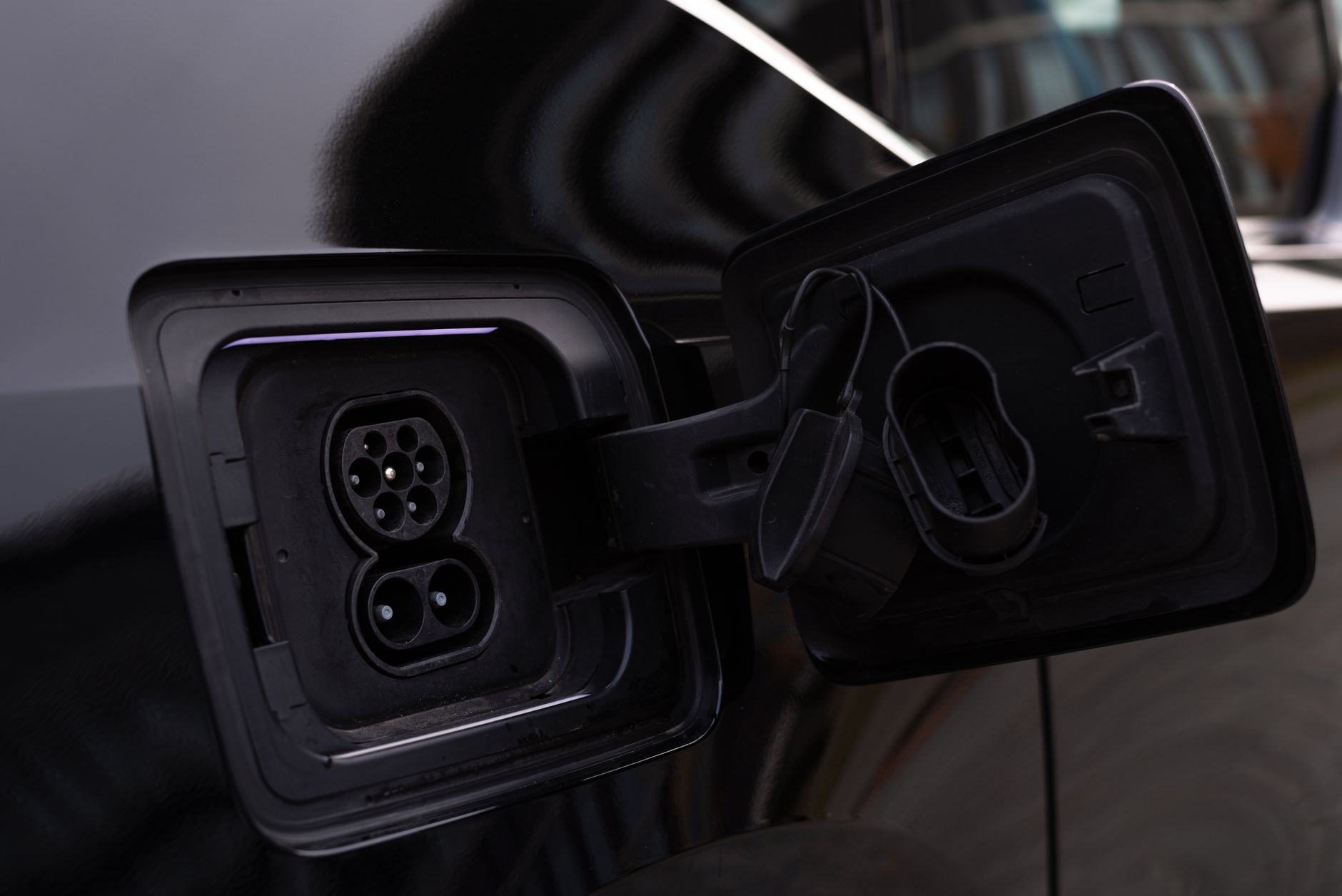
With gas prices hovering near $4.50 per gallon in many metro areas and automakers flooding the market with affordable EV options this fall, there’s never been a better time to ditch your gas-guzzling commuter car. If your daily drive is under 30 miles round-trip, you’re sitting in the sweet spot for electric vehicle ownership—where even the most affordable EVs deliver more range than you’ll ever need, and charging becomes a once-or-twice-weekly afterthought rather than a daily chore.
Finding the best electric cars for short commuters isn’t about chasing 300-mile range figures you’ll never use. It’s about matching your actual driving patterns with the right combination of affordability, efficiency, and everyday practicality. Let’s break down exactly what matters when your commute is measured in minutes, not hours.
Why Short Commutes Are Perfect for Electric Vehicles
Here’s the math that makes short-distance commuters ideal EV candidates: the average American commute is just 16 miles one way, according to the latest Federal Highway Administration data. That means even an EV with a modest 150-mile range gives you nearly five days of commuting between charges.
The financial case is even stronger. Short commuters typically drive 8,000-10,000 miles annually—well below the national average. At current electricity rates (averaging $0.16 per kWh nationally), you’re looking at roughly $35-45 per month in charging costs versus $150-200 for a comparable gas car. Over five years, that’s $6,000-9,000 in fuel savings alone.
Battery longevity works in your favor too. Short commutes mean shallow discharge cycles, which are far gentler on lithium-ion batteries than deep discharges. Many short-commute EV owners report less than 5% battery degradation after 50,000 miles—well within warranty tolerances and better than heavy-use scenarios.
Top 7 Electric Cars for Short-Distance Daily Driving
1. 2026 Nissan Leaf S Plus — Best Overall Value
- Range: 212 miles (EPA-estimated)
- Starting Price: $32,900
- Why it works: The Leaf remains the sensible choice for budget-conscious commuters. The S Plus trim gives you plenty of buffer for winter range loss, and Nissan’s CHAdeMO fast-charging network still covers most urban corridors. Real-world efficiency averages 3.8 miles per kWh in mixed driving.
2. 2026 Chevrolet Equinox EV LT — Best for Versatility
- Range: 319 miles (EPA-estimated)
- Starting Price: $34,995
- Why it works: Yes, the range is overkill for short commutes, but the Equinox EV’s spacious interior and available Super Cruise make it ideal if your short commute occasionally becomes a weekend road trip. The 11.5 kW onboard charger means faster Level 2 charging at home.
3. 2026 Hyundai Kona Electric SEL — Best Efficiency
- Range: 261 miles (EPA-estimated)
- Starting Price: $34,050
- Why it works: The Kona Electric consistently delivers 4.2-4.5 miles per kWh in real-world testing—among the best in its class. For short commuters, that translates to charging just once every 10-14 days. The compact footprint makes city parking effortless.
4. 2026 Fiat 500e — Best for Urban-Only Commuters
- Range: 149 miles (EPA-estimated)
- Starting Price: $32,500
- Why it works: If your commute is strictly urban and under 20 miles daily, the 500e’s tiny footprint and nimble handling are unbeatable. The 85 kW fast-charging capability is surprisingly quick for a small battery, adding 80 miles in about 25 minutes.
5. 2026 Kia Niro EV Wind — Best Tech Package
- Range: 253 miles (EPA-estimated)
- Starting Price: $39,600
- Why it works: The Niro EV punches above its price point with standard features like a heat pump (crucial for winter efficiency), dual 10.25-inch screens, and vehicle-to-load capability. The boxy design maximizes interior space without a huge footprint.
6. 2026 Mini Cooper SE — Best Driving Experience
- Range: 114 miles (EPA-estimated)
- Starting Price: $31,895
- Why it works: The Mini’s limited range is actually an asset for short commuters—it forces you into a smaller, lighter, more efficient package. The go-kart handling makes even a 15-minute commute genuinely fun. Just ensure you have reliable home charging.
7. 2026 Volkswagen ID.4 Standard — Best for Growing Needs
- Range: 209 miles (EPA-estimated)
- Starting Price: $38,995
- Why it works: If your short commute might expand (new job, growing family), the ID.4’s spacious interior and 62 kWh battery provide headroom. The rear-wheel-drive layout and low center of gravity make it surprisingly agile for its size.
What Short Commuters Should Actually Prioritize
Forget the spec sheet wars. When your daily drive is under 30 miles, these factors matter far more than maximum range:
Home charging capability is non-negotiable. A 240V Level 2 charger (even a basic 32-amp unit) will fully recharge any of these EVs overnight. Budget $500-1,200 for installation if you don’t already have a 240V outlet in your garage. Check our home charger installation cost breakdown for detailed pricing.
Efficiency beats range for cost savings. A car that delivers 4.0 miles per kWh versus 3.0 miles per kWh saves you roughly $150 annually in electricity costs at 10,000 miles per year. Over a decade, that’s $1,500—enough to cover a significant portion of your home charging setup.
Winter performance matters more than you think. Even short commutes can strain an EV in cold weather. Models with heat pumps (like the Kia Niro EV and Hyundai Kona Electric) maintain 85-90% of their range in freezing temperatures, while resistive-heater models can drop to 70-75%. Our cold weather range tips guide explains the physics.
Don’t overpay for range you’ll never use. The difference between a 150-mile EV and a 300-mile EV is often $8,000-12,000. For short commuters, that money is better spent on a home charging setup, winter tires, or simply saved.
Charging Strategies for Short-Distance Drivers
Short commuters have unique charging advantages that most EV guides ignore:
The 80% rule becomes irrelevant. Battery health advice typically recommends charging to 80% for daily use. But when your commute only uses 15-20% of your battery, you can charge to 100% without meaningful degradation. The shallow discharge cycles are what protect your battery, not the charge limit.
Public charging becomes optional. Many short-commute EV owners go months without using a public charger. This eliminates range anxiety entirely and saves the premium pricing (often $0.35-0.50 per kWh) that public networks charge.
Off-peak charging maximizes savings. If your utility offers time-of-use rates, charging between 11 PM and 6 AM can cut your electricity costs by 40-60%. Some short commuters report monthly charging costs under $25 with aggressive off-peak scheduling.
Workplace charging is a bonus, not a necessity. Unlike long-distance commuters who depend on destination charging, short commuters can treat workplace chargers as occasional top-ups rather than critical infrastructure.
The Real-World Cost Comparison
Let’s run the numbers for a typical 24-mile round-trip commute (6,240 miles annually):
2026 Nissan Leaf S Plus:
- Electricity: 6,240 miles ÷ 3.8 mi/kWh = 1,642 kWh × $0.16 = $263/year
- Maintenance: ~$150/year (tire rotations, cabin filter)
- Total: $413/year
2026 Honda Civic (comparable gas car):
- Gas: 6,240 miles ÷ 33 MPG = 189 gallons × $4.50 = $851/year
- Maintenance: ~$400/year (oil changes, filters, spark plugs)
- Total: $1,251/year
Annual savings: $838. Over a typical 5-year ownership period, that’s $4,190—enough to cover a significant portion of the EV’s higher upfront cost, especially factoring in available incentives.
Making Your Decision
The best electric cars for short commuters share common traits: they’re efficient, affordable, and sized appropriately for urban or suburban driving. You don’t need 300 miles of range, ultra-fast charging, or premium performance. You need reliability, low operating costs, and a car that makes your daily drive pleasant rather than punishing.
Start by honestly assessing your driving patterns. Track your mileage for two weeks using your current car’s trip computer or a smartphone app. If you’re consistently under 40 miles daily, any EV on this list will serve you well. Then prioritize based on your specific needs: cargo space, winter capability, driving dynamics, or pure value.
Test drive at least three models. Pay attention to seat comfort, visibility, and how the regenerative braking feels in stop-and-go traffic—these factors matter more on a daily commute than 0-60 times. And don’t forget to factor in available incentives; our 2026 EV tax credit guide breaks down what you qualify for based on your location and income.
Your short commute is about to become the cheapest, quietest, and most enjoyable part of your day. Choose wisely, and you’ll wonder why you waited so long to make the switch.