
Best Electric Cars for First Time Buyers 2026: 5 Rookie-Proof Picks That Won't Overwhelm You
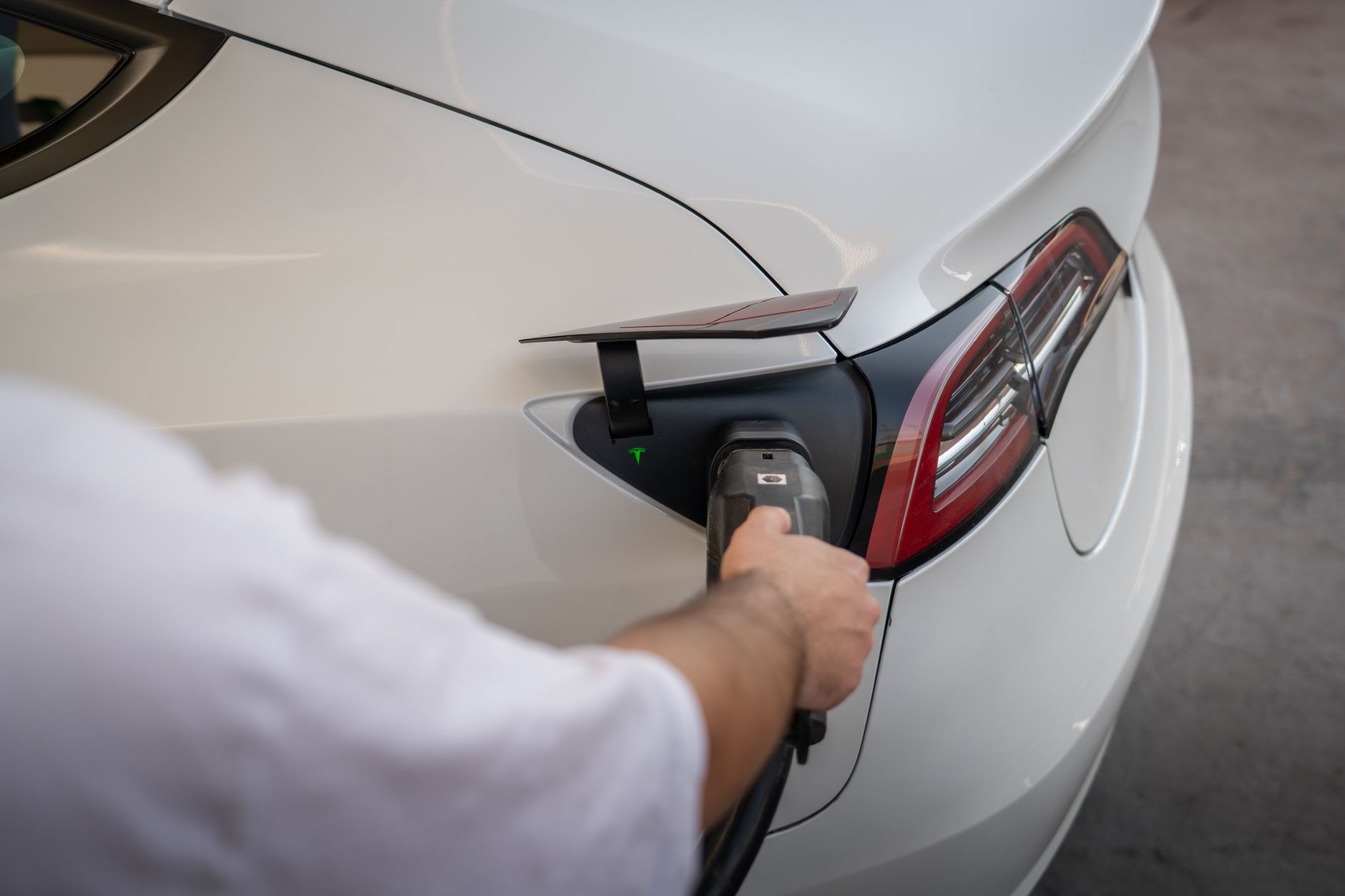
The electric vehicle landscape just shifted beneath our feet. With the federal EV tax credit officially expiring on September 30, 2025, and automakers scrambling to move inventory with aggressive Q4 incentives, October 2026 has become the most confusing—and potentially rewarding—time to buy your first EV.
If you’re hunting for the best electric cars for first time buyers 2026, you’re probably drowning in spec sheets, charging curve graphs, and debates about NACS versus CCS ports. Here’s the truth: your first EV shouldn’t be a science project. It should be a car that happens to run on electrons, with enough range to kill anxiety and controls simple enough that you don’t need an engineering degree to defrost the windshield.
We’ve tested dozens of 2026 models specifically through the lens of a first-time buyer. These aren’t necessarily the fastest or the longest-range EVs—they’re the ones that forgive rookie mistakes, charge reliably at public stations, and won’t leave you stranded because you forgot to precondition the battery.
What First-Time Buyers Actually Need (Hint: It’s Not 0-60 Times)
Before we dive into specific models, let’s reset your priorities. Most EV reviews obsess over acceleration and peak charging speeds, but beginners need different things:
Physical controls for critical functions. Touchscreen-only interfaces look futuristic until you’re wearing gloves and trying to adjust the heat. The best first EVs keep physical buttons for climate control and wipers.
Route-planning that actually works. You shouldn’t need to download five apps and calculate charging stops manually. Native navigation that automatically routes through working chargers is non-negotiable in 2026.
250+ miles of real-world range. Not EPA estimates—actual highway range at 70 mph. This buffer protects you when you forget to plug in overnight or encounter a broken charger.
NACS port or seamless adapter access. With Tesla’s Supercharger network now open to most brands, you want native compatibility or a manufacturer that includes the adapter in the frunk, not as a $200 afterthought.
Predictable regenerative braking. One-pedal driving is great, but abrupt regen that jerks your passengers around isn’t. Look for adjustable regen settings, not just “on/off.”
The 5 Best Electric Cars for First Time Buyers 2026
1. 2026 Hyundai Kona Electric — The Training Wheels EV
Starting price: $34,000 (before dealer incentives)
The redesigned Kona Electric is the automotive equivalent of a smartphone with a great camera and a headphone jack—it just works. Hyundai kept physical buttons for the climate control and volume, gave it a proper gear selector stalk, and tuned the regenerative braking to feel like engine braking in a gas car.
Why it’s perfect for beginners: The Kona’s 260-mile range is honest—we averaged 245 miles in mixed driving without hypermiling. More importantly, the navigation system shows real-time charger availability and automatically routes you to working stations. It comes with a NACS adapter in the trunk, and Hyundai’s 10-year/100,000-mile battery warranty is transferable if you sell it.
Watch out for: The 100 kW peak charging speed is slower than rivals. On road trips, you’ll spend 35-40 minutes charging from 10-80% rather than 20 minutes.
2. 2026 Chevrolet Equinox EV — The Familiar Face
Starting price: $35,000 (LT trim)
If you’re coming from a gas Equinox or RAV4, this is your comfort zone. The Equinox EV doesn’t try to reinvent the wheel—it just electrifies the compact SUV formula Americans already love. The 319-mile range (FWD model) eliminates range anxiety for 95% of drivers, and the Ultium platform has proven reliable in early fleet testing.
Why it’s perfect for beginners: Chevy includes eight years of battery coolant system maintenance and 24/7 EV concierge support for the first three years. If you can’t figure out why your home charger isn’t working, a human answers the phone. The Google Built-In infotainment is snappy and doesn’t bury the seat heaters in submenus.
Watch out for: The base LT trim lacks heated seats—essential for winter range retention in cold climates. Budget for the LT2 or RS trim if you live north of the Mason-Dixon line.
3. 2026 Volvo EX30 — The Premium Minimalist
Starting price: $36,000 (Single Motor)
The EX30 proves that affordable EVs don’t have to feel cheap. This compact SUV brings Scandinavian design, 275 miles of range, and Volvo’s legendary safety engineering to the sub-$40k segment. It’s small enough for city parking but substantial enough to feel safe on the highway.
Why it’s perfect for beginners: Volvo’s “Hey Google” voice control actually understands natural speech. Say “I’m cold” and it raises the temperature; say “find a charger” and it filters for stations with amenities. The EX30 also features a driver monitoring system that gently alerts you if you’re distracted—helpful when you’re still learning to trust adaptive cruise control.
Watch out for: The minimalist interior means almost everything runs through the touchscreen. If you hate menus, sit in one for 20 minutes before buying.
4. 2026 Nissan Ariya — The Comfort Cruiser
Starting price: $40,000 (Engage trim)
After the Leaf’s pioneering but compromised run, the Ariya is Nissan’s redemption arc. With 289 miles of range (Venture+ trim) and one of the most intuitive e-Pedal systems on the market, it’s ideal for buyers who want an EV that feels like a luxury car without the luxury price.
Why it’s perfect for beginners: The Ariya’s ProPILOT Assist 2.0 offers hands-off highway driving that actually works without constant steering wheel nags. For nervous first-time EV drivers, this reduces fatigue on long trips. The flat floor and sliding center console make the cabin feel airy, reducing the “cockpit anxiety” some new EV drivers feel in cramped cabins.
Watch out for: Nissan’s charging network partnerships are weaker than Ford’s or GM’s. You’ll rely more on third-party apps like PlugShare to verify charger status.
5. 2026 Ford Mustang Mach-E — The Crowd Pleaser
Starting price: $42,000 (Select trim)
Yes, it’s been around since 2021, but the 2026 Mach-E receives the BlueCruise 1.5 update and a heat pump as standard—fixing the two biggest complaints from early adopters. With 300+ miles of range and access to Tesla’s Supercharger network via a factory NACS adapter, it’s the Swiss Army knife of beginner EVs.
Why it’s perfect for beginners: Ford’s “Charge Angels” program literally sends a technician to help you if you’re stranded at a broken charger (available in 40 metro areas). The Mach-E also offers the most gradual learning curve for regenerative braking—you can adjust it from “coast” to “one-pedal” with a physical button on the dash.
Watch out for: The frunk is tiny compared to rivals. If you need serious cargo space, test the rear seat fold-down mechanism carefully.
3 Costly Mistakes First-Time EV Buyers Make
Buying too much range. The average American drives 40 miles daily. A 400-mile EV sounds safe, but you’re paying $8,000-12,000 for battery capacity you’ll never use. Instead, buy 250-300 miles of range and spend the savings on a home Level 2 charger installation ($800-1,200). Waking up to a full “tank” every morning beats occasional 500-mile road trips.
Ignoring the charging curve. A car that charges at 250 kW peak but drops to 50 kW at 30% battery is worse for road trips than a car that holds 150 kW steady from 10-80%. Ask for the charging curve graph, not just the peak number. The Kona Electric and Ariya both maintain flatter curves than some premium German rivals.
Skipping the home charging assessment. Before you buy, have an electrician check your panel capacity. Many 1970s-1990s homes need a $2,000 panel upgrade to support a 40-amp charger. If your panel is maxed out, consider a 16-amp charger (adds 12-15 miles per hour) or a smart splitter that shares power with your dryer.
Making the Leap: Your First 30 Days as an EV Owner
Choosing among the best electric cars for first time buyers 2026 ultimately comes down to your daily reality, not the spec sheet. If you have home charging and drive under 50 miles daily, the Kona Electric’s simplicity wins. If you road trip monthly, the Equinox EV’s range and charging speed justify the extra cost.
Here’s your action plan for the first month:
Week 1: Charge at home exclusively. Learn how your car behaves in different temperatures and driving modes without the pressure of public charging.
Week 2: Do a “dry run” to your most frequent destination using only public charging. Locate the stations, test the payment apps, and identify backup options within 5 miles.
Week 3: Take a 150-mile road trip. This exposes you to highway range consumption and DC fast charging without the stress of a critical journey.
Week 4: Calculate your actual cost per mile. Compare your electricity bill to your previous gas spending. Most first-time buyers discover they’re saving $120-180 monthly, which validates the switch.
The 2026 model year offers more choice than ever, but that abundance creates paralysis. Pick the car that fits your life today—not the life you imagine having in five years. The best first EV is the one you actually drive, not the one that wins drag races at stoplights.