
Best Electric Car for Apartment Dwellers: 2026 Guide to EVs That Thrive Without Home Charging
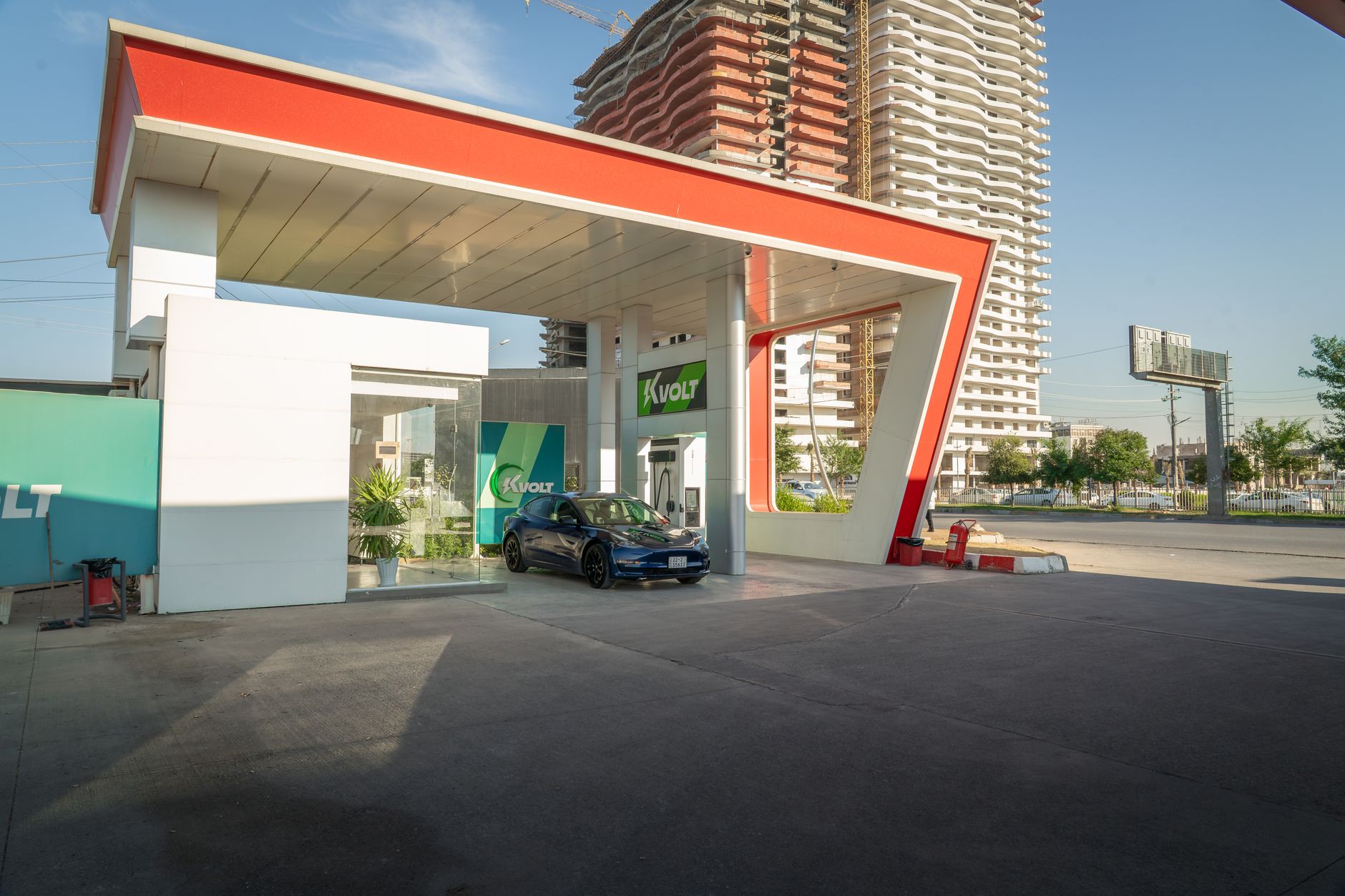
The EV landscape just shifted in a big way. With the federal tax credit gone as of late 2025, automakers are scrambling to slash prices and roll out cheaper models — and the 2026 model year is stacked with sub-$35,000 EVs packing 250+ miles of range. That’s great news for everyone, but especially for the roughly 44 million American renters who’ve been told for years that EV ownership isn’t practical without a garage.
Here’s the truth: finding the best electric car for apartment dwellers isn’t about settling for less. It’s about knowing which features actually matter when you can’t plug in overnight. I’ve spent months analyzing charging networks, real-world efficiency data, and owner feedback to figure out which EVs genuinely work for the no-driveway lifestyle — and which ones will leave you stranded at a broken charger at 11 PM.
Let’s get into it.
Why Apartment EV Ownership Is More Viable Than Ever in 2026
Two years ago, I’d have hesitated to recommend an EV to anyone without home charging. Today, the math has changed for three big reasons.
First, charging infrastructure has exploded. The U.S. now has over 200,000 public charging ports, and networks like Electrify America, EVgo, and Tesla Superchargers (now open to most non-Tesla EVs via NACS) have blanketed metro areas. If you live in a mid-size city or larger, you’re probably within two miles of a DC fast charger right now.
Second, ranges have jumped. The average new EV in 2026 offers around 300 miles of EPA-rated range. That means many apartment dwellers can charge once a week — the same cadence as filling up a gas car — instead of hunting for a plug every other day.
Third, workplace and destination charging is expanding fast. More employers, grocery stores, and parking garages now offer Level 2 charging. If your workplace has chargers, you essentially have home charging — just at the office.
That said, not every EV handles this lifestyle equally well. Here’s what actually matters.
What Makes the Best Electric Car for Apartment Dwellers: 4 Non-Negotiables
Forget 0-60 times and panoramic sunroofs. When you don’t control your charging situation, these are the specs that make or break your ownership experience.
1. Fast DC Charging Speed (Not Just Peak Rate)
This is the single most important spec. You want an EV that can add meaningful range in a 20-30 minute stop — not one that technically hits 250 kW for 90 seconds before throttling down.
Look for sustained charging curves, not just peak numbers. The Hyundai Ioniq 5 and Kia EV6, for example, charge from 10-80% in about 18 minutes thanks to their 800-volt architecture. The Chevy Equinox EV manages 10-80% in roughly 30 minutes. That’s the difference between a quick grocery stop and a wasted lunch break.
Target: 10-80% in under 30 minutes at a DC fast charger.
2. Real-World Range of 280+ Miles
EPA estimates are optimistic, especially in cold weather or at highway speeds. For apartment dwellers who might charge once a week, you need a buffer. A car rated at 300 miles realistically delivers 240-260 in mixed driving — enough for a full week of commuting plus errands with range to spare.
3. Access to the Tesla Supercharger Network
This is a game-changer that’s still underappreciated. Tesla’s Supercharger network is the most reliable in North America, with uptime rates above 99%. Most 2026 EVs now ship with NACS ports (or include adapters), giving you access to 17,000+ Supercharger stalls. If your apartment complex has zero charging, this network alone can make EV ownership painless.
4. Compact Footprint With Smart Interior Space
Apartment parking is tight. Street parking is tighter. You want something easy to maneuver and park, but with enough cargo space to handle a Costco run. The sweet spot is roughly 170-185 inches long — think compact SUV or hatchback territory.
Top Picks: Best Electric Cars for Apartment Living in 2026
Based on the criteria above, here are my top recommendations across different budgets.
Best Overall: Hyundai Ioniq 5 ($42,000-$48,000)
The Ioniq 5 remains the gold standard for apartment dwellers. Its 800-volt system delivers the fastest charging in its class — 10-80% in 18 minutes on a 350 kW charger. The 2026 model gets up to 303 miles of range (RWD long-range), and the flat floor creates a genuinely spacious interior despite its compact footprint. Hyundai also includes two years of free 30-minute charging sessions at Electrify America, which is essentially free fuel for your first two years.
Best Value: Chevrolet Equinox EV ($34,000-$40,000)
GM got this one right. The Equinox EV offers up to 319 miles of range, NACS compatibility for Supercharger access, and a starting price that undercuts most competitors. Charging speed is solid at 150 kW peak (10-80% in about 30 minutes). For apartment dwellers on a budget, this is the pick.
Best for Urban Street Parkers: Volvo EX30 ($36,000-$42,000)
At just 166 inches long, the EX30 is one of the smallest EVs on sale — perfect for parallel parking in tight city spots. It charges from 10-80% in about 26 minutes and delivers up to 275 miles of range. The minimalist Scandinavian interior is a nice bonus. Just know the rear seats are tight for adults.
Best Premium Option: Kia EV6 GT-Line ($50,000-$55,000)
If you want something that feels special, the EV6 GT-Line combines the same 800-volt fast charging as the Ioniq 5 with a more premium cabin and sharper handling. The 2026 refresh adds a larger battery option pushing range past 310 miles.
Charging Strategies That Actually Work Without a Garage
Owning the right EV is only half the equation. Here’s how successful apartment EV owners manage charging in the real world.
The Weekly Fast-Charge Routine. Most apartment EV owners settle into a once-weekly DC fast charging session, typically 20-40 minutes. Pair it with an errand — grocery shopping, gym, or a coffee shop near the charger. Apps like PlugShare and A Better Route Planner help you find reliable stations and check real-time availability.
Workplace Charging. If your employer offers Level 2 charging, you’ve essentially solved the problem. Even charging at 6-7 kW for eight hours adds 200+ miles of range. If your workplace doesn’t have chargers yet, ask — many companies are installing them as an employee benefit, and some states offer tax incentives for workplace charger installation.
Level 1 Trickle Charging. Don’t overlook a standard 120V outlet. If your apartment has any accessible outlet — even in a parking garage or carport — a Level 1 charger adds 3-5 miles of range per hour. That’s 40-60 miles overnight, which covers most daily commutes. It’s slow, but it’s essentially free and requires zero installation.
Advocate for Apartment Charging. This is worth the effort. Present your landlord with data: EV charging increases property values, attracts higher-income tenants, and costs as little as $2,000-$5,000 per Level 2 port with available utility rebates. Companies like ChargePoint and SWTCH specialize in turnkey apartment charging solutions. Several states — including California, New York, and Colorado — now have “right to charge” laws that prevent landlords from unreasonably blocking charger installations.
The Real Cost of Apartment EV Ownership vs. Gas
Let’s talk money, because this is where skepticism usually kicks in.
Public DC fast charging costs roughly $0.35-$0.50 per kWh, compared to $0.15-$0.20 for home charging. For a car like the Equinox EV with an 85 kWh battery, a full charge costs about $30-$42 at a fast charger versus $13-$17 at home.
That sounds bad until you compare it to gas. A comparable gas SUV getting 28 MPG costs about $0.13 per mile in fuel at current prices. The Equinox EV on public fast charging costs roughly $0.10-$0.14 per mile. It’s a wash — and if you mix in any free workplace charging, Level 1 trickle charging, or discounted off-peak rates, you come out ahead.
Factor in reduced maintenance (no oil changes, no transmission, fewer brake replacements thanks to regen braking), and the total cost of ownership tilts firmly in the EV’s favor even without home charging.
Making the Switch: Your Next Steps
The best electric car for apartment dwellers in 2026 isn’t a compromise — it’s a genuinely smart choice, provided you pick the right model and build a simple charging routine. Start by mapping the DC fast chargers within a 15-minute drive of your apartment using PlugShare. Then test-drive the Ioniq 5 and Equinox EV back to back; they represent the best combination of range, charging speed, and value for your situation.
If you’re on the fence, lease instead of buy. EV technology is improving fast, and a 24-36 month lease lets you enjoy the benefits now while upgrading to even better options as infrastructure continues to expand. The days of needing a garage to go electric are officially over.